
Diamond Cut Guide: How Cut Affects Brilliance

The cut of a diamond is more than its shape—it determines how light travels through the stone, affecting its sparkle, fire, and overall brilliance. Even a diamond with excellent color and clarity can appear dull if its cut is poor.
Key Factors of Cut
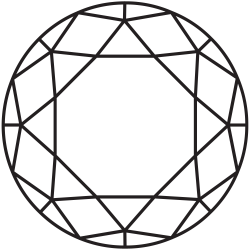
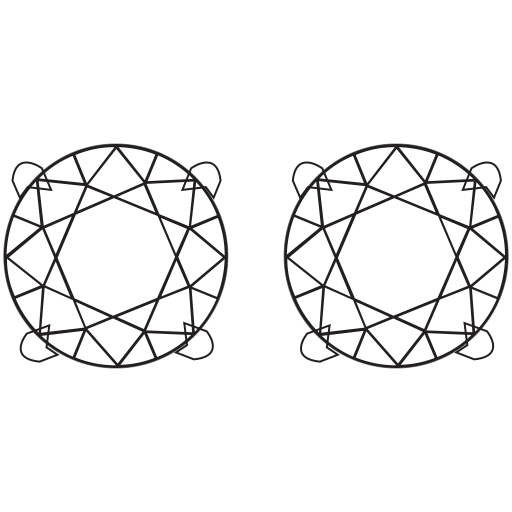
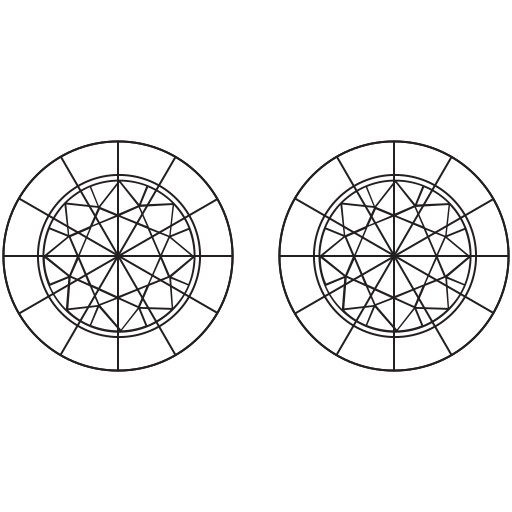
- Proportion: The depth and table size influence how light reflects inside the diamond. Proper proportions maximize internal reflection, returning light to the eye and creating dazzling sparkle.
- Symmetry: Precise alignment of facets ensures light is evenly distributed. Poor symmetry can scatter light and reduce brilliance.
- Polish: The surface smoothness affects how light enters the diamond. A poorly polished diamond can appear less bright.
Common Cut Grades
- Excellent: Optimal light reflection, maximum brilliance and fire. Ideal choice.
- Very Good: Near-optimal reflection, visually almost indistinguishable from Excellent. Better value.
- Good: Adequate reflection, some light leakage, sparkle slightly reduced.
- Fair/Poor: Insufficient reflection, diamond appears dim, limited brilliance.
Tips
- For everyday wear, choose at least Very Good cut.
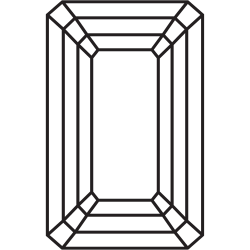
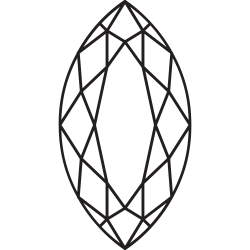
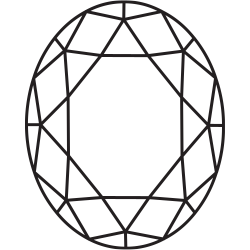
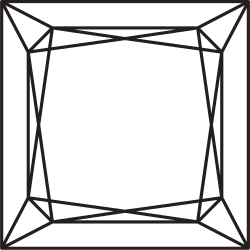
- Cut matters most for round brilliant diamonds, but proportions and symmetry are important for other shapes like princess or oval cuts as well.
Summary: Cut determines how a diamond interacts with light. A well-cut diamond shines brilliantly, while a poor cut can make even a high-quality stone look dull.