

4 Carat Lab Grown Diamond Ring


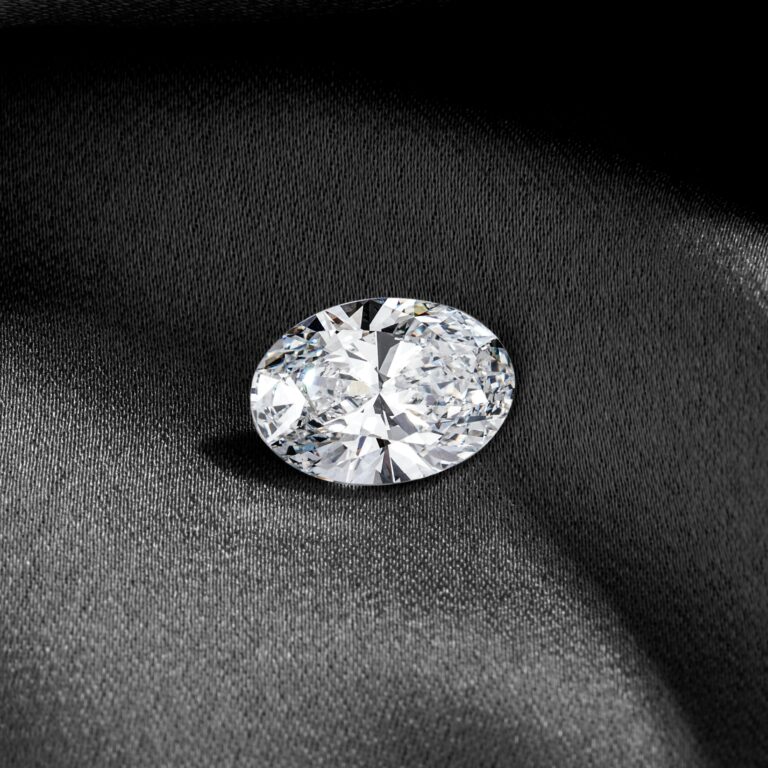
A 4 carat lab grown diamond ring is a substantial choice for an engagement ring or statement piece. Because a 4 carat diamond has a significant visual presence, factors such as shape, cut, color, clarity, certification, and setting can make a noticeable difference in both appearance and price.
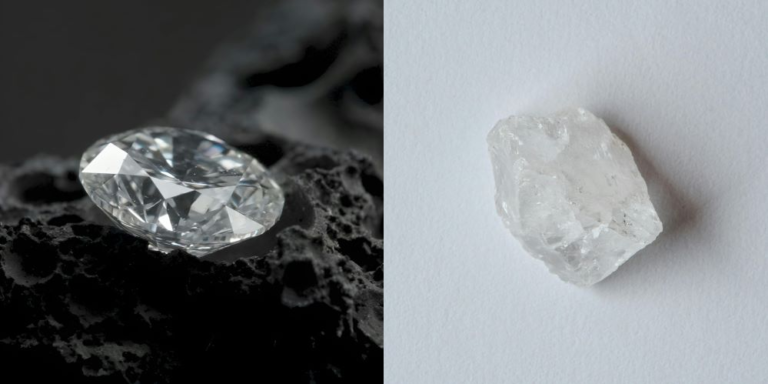
Lab grown diamonds are real diamonds with the same chemical composition and crystal structure as natural diamonds. Their laboratory origin allows buyers to consider larger carat weights at different price points.

In this guide, you will learn:
- How much a 4 carat lab grown diamond costs
- What a 4 carat diamond looks like
- Typical 4 carat diamond dimensions
- Popular 4 carat diamond shapes
- How color, clarity, and cut affect price
- How lab grown and natural 4 carat diamonds compare
- Which settings work well for a 4 carat diamond
- How to choose a 4 carat lab grown diamond
How Much Is a 4 Carat Lab Grown Diamond?
TThe price of a 4 carat lab grown diamond can vary significantly depending on its characteristics and the retailer. Important pricing factors include:
- Diamond shape
- Cut quality
- Color grade
- Clarity grade
- Certification
- Proportions and visual appearance
- Ring setting and metal
For a current market reference, our Diamond Price Calculator uses approximately $2,451 as a 4 carat lab grown diamond market reference. This is an estimate rather than a live quote, and individual diamonds can sell for more or less depending on their specifications and retailer.
4 Carat Lab Diamond Price Reference
| Carat Weight | Market Reference |
|---|---|
| 1 Carat | ~$535 |
| 1.5 Carat | ~$758 |
| 2 Carat | ~$1,105 |
| 2.5 Carat | ~$1,268 |
| 3 Carat | ~$1,855 |
| 4 Carat | ~$2,451 |
| 5 Carat | ~$2,500 |
These figures are market reference values rather than guaranteed retail prices. A specific 4 carat diamond may have a different price based on shape, color, clarity, cut, certification, availability, and retailer.
Want to estimate a specific diamond?
Use our Lab Grown Diamond Price Calculator to estimate value based on carat, shape, color, clarity, cut, and certification.
4 Carat Diamond Size and Dimensions
A 4 carat diamond is considered a large center stone, but carat weight does not directly determine the visible dimensions of a diamond.
Two 4 carat diamonds can have different face-up sizes because diamond proportions vary by shape and cut.
Approximate dimensions can include:
| Shape | Approximate Face-Up Size |
|---|---|
| Round | Around 10.2 mm |
| Oval | Around 12 × 9 mm |
| Emerald | Around 11 × 8 mm |
| Cushion | Around 9.5 × 9.5 mm |
| Radiant | Around 11 × 9 mm |
These measurements are approximate and can vary between individual diamonds.
Elongated shapes such as oval, emerald, and radiant may appear larger from the top because of their proportions and surface area.
Finger size and ring setting can also affect how large a 4 carat diamond appears when worn.
What Does a 4 Carat Diamond Look Like on a Hand?
A 4 carat diamond creates a strong visual presence when used as a center stone. However, the appearance is not determined by carat weight alone.
The visible size depends on:
- Diamond shape
- Length-to-width ratio
- Cut proportions
- Face-up dimensions
- Finger size
- Ring setting
For example, an oval or radiant diamond may have a larger-looking face-up appearance than a round diamond with the same carat weight.
For this reason, buyers comparing 4 carat diamonds should look at both carat weight and millimeter measurements.
Popular 4 Carat Lab Diamond Ring Styles
4 Carat Round Lab Diamond Engagement Ring

Round brilliant diamonds are a classic choice for engagement rings and are known for their strong light performance.
A 4 carat round lab grown diamond can work well with:
- Solitaire settings
- Hidden halo settings
- Pavé bands
- Cathedral settings
The final appearance depends on the diamond’s cut quality and proportions as well as the ring design.
4 Carat Radiant Cut Lab Diamond Ring

Radiant cut diamonds combine a rectangular outline with brilliant-style faceting.
A 4 carat radiant lab grown diamond can be paired with:
- Solitaire settings
- Three-stone settings
- Pavé bands
- Halo settings
Radiant diamonds can be a useful option for buyers who want both an elongated shape and strong brilliance.
4 Carat Oval Lab Diamond Engagement Ring

Oval lab grown diamonds have an elongated outline and can provide substantial finger coverage.
Potential advantages include:
- Elongated appearance
- Large face-up presence
- Strong brilliance
- Variety of length-to-width ratios
The actual appearance depends on the individual diamond’s proportions, so comparing measurements is important when choosing an oval.
Best 4 Carat Lab Diamond Shapes
There is no single best shape for every buyer. Shape selection depends on appearance, proportions, setting style, and personal preference.
Round Cut
Round brilliant diamonds are a traditional choice and are known for their strong brilliance.
Often chosen for:
- Classic engagement rings
- High brilliance
- Traditional designs
Oval Cut
Oval diamonds provide an elongated appearance and substantial finger coverage.
Often chosen for:
- Elongated designs
- Larger-looking face-up appearance
- Modern engagement rings
Emerald Cut
Emerald cuts use step-cut faceting that creates a more linear and reflective appearance.
Often chosen for:
- Minimalist designs
- Vintage-inspired rings
- Buyers who prefer a less brilliant, more structured appearance
Cushion Cut
Cushion diamonds combine rounded corners with a softer outline.
Often chosen for:
- Romantic designs
- Vintage-inspired rings
- Softer-looking engagement rings
Radiant Cut
Radiant diamonds combine an elongated or rectangular outline with brilliant-style faceting.
Often chosen for:
- Modern engagement rings
- Buyers looking for strong brilliance
- Elongated diamond shapes
Best Color for a 4 Carat Lab Diamond
At 4 carats, color can be easier to notice depending on the diamond’s shape, proportions, setting, and viewing conditions.
G–H color can offer a practical balance between visible color and price, while F or higher grades may appeal to buyers who prefer a whiter appearance.
However, color preference is subjective, and the best grade depends on the individual diamond and setting.
When comparing diamonds, evaluate color together with shape and clarity rather than choosing a grade based on color alone.
Best Clarity for a 4 Carat Lab Diamond
Clarity describes the presence of internal inclusions and external blemishes.
For buyers seeking an eye-clean appearance without paying for the highest clarity grades, VS1 and VS2 can be practical options.
However, clarity should be evaluated on the individual diamond because two diamonds with the same clarity grade can have different inclusion types, locations, and visibility.
For a 4 carat diamond, viewing the actual stone and its grading report is particularly useful.
Does Cut Matter for a 4 Carat Diamond?
Yes. Cut quality affects how efficiently a diamond reflects and returns light.
A well-cut diamond can show stronger:
- Brightness
- Fire
- Scintillation
A larger carat weight does not automatically mean a diamond will look more attractive.
For this reason, when comparing 4 carat lab grown diamonds, consider cut quality and proportions alongside carat weight.
Best Settings for a 4 Carat Diamond Ring
The setting affects both the appearance and everyday wear of a large center diamond.
Solitaire
A solitaire setting keeps attention on the center diamond and provides a clean, classic appearance.
Hidden Halo
A hidden halo adds detail beneath the center stone while keeping the main diamond visually dominant.
Pavé
Pavé settings use smaller diamonds along the band to add additional sparkle.
Three Stone
A three-stone setting places additional diamonds beside the center stone and creates a more detailed design.
Cathedral
A cathedral setting raises the center diamond and creates a more elevated profile.
For everyday wear, the choice of metal and setting construction should also be considered alongside appearance.
Lab Grown vs Natural 4 Carat Diamond Price
Lab grown and natural diamonds differ primarily in origin.
Natural diamonds form naturally underground over geological time, while lab grown diamonds are produced in controlled laboratory environments.
Both are diamonds and share the same basic chemical composition and crystal structure.
For buyers comparing a 4 carat diamond, the main pricing difference can be substantial, but actual prices vary widely according to quality, market conditions, retailer, and availability.
Rather than using a fixed price range for every 4 carat diamond, compare individual stones based on:
- Carat
- Shape
- Color
- Clarity
- Cut
- Certification
- Retailer
Diamond Certification for a 4 Carat Lab Diamond
Certification is especially useful when comparing larger diamonds because a grading report documents important characteristics of the stone.
IGI and GIA are among the well-known diamond grading laboratories.
A grading report can document characteristics such as:
- Carat weight
- Color
- Clarity
- Cut
- Measurements
- Other grading information
Before purchasing a 4 carat lab grown diamond, review the grading report and make sure the report details match the diamond being offered.
How to Choose a 4 Carat Lab Grown Diamond
When comparing 4 carat lab grown diamonds:
- Compare cut quality and proportions
- Check the actual millimeter dimensions
- Compare color grades
- Look for an eye-clean clarity
- Compare different diamond shapes
- Review the grading report
- Compare prices across similar specifications
- Consider the ring setting and metal
- Use a price calculator as a reference rather than a guaranteed quote
A 4 carat diamond should be evaluated as an individual stone rather than by carat weight alone.
4 Carat Diamond Price Calculator
If you are comparing 4 carat lab grown diamonds, you can use our Lab Grown Diamond Price Calculator to estimate a diamond’s market value.
The calculator allows you to consider:
- Carat
- Shape
- Color
- Clarity
- Cut
- Certification
Calculate Your 4 Carat Lab Diamond Price
Use the Diamond Price Calculator →
The calculator provides an estimated market reference rather than a guaranteed selling price.
Is a 4 Carat Diamond Too Big?
A 4 carat diamond is a large center stone, but whether it is too large depends on personal preference, finger size, lifestyle, setting design, and budget.
The same 4 carat weight can also look different depending on the diamond shape and proportions.
If you are deciding between different sizes, comparing 1 carat, 2 carat, 3 carat, 4 carat, and 5 carat diamonds can help provide a better understanding of how carat weight affects visual size and price.
Frequently Asked Questions
How much is a 4 carat lab grown diamond?
A 4 carat lab grown diamond can vary considerably in price depending on shape, color, clarity, cut, certification, retailer, and market conditions. Our current calculator uses approximately $2,451 as a market reference for a 4 carat lab grown diamond, rather than a guaranteed retail price.
How much does a 4 carat lab grown diamond ring cost?
The total cost of a ring includes both the diamond and the setting. The final price therefore depends on the diamond’s specifications, ring metal, setting design, and retailer.
What is the size of a 4 carat diamond?
A 4 carat diamond does not have one fixed physical size. Dimensions vary by shape and proportions. For example, a 4 carat round diamond may measure around 10.2 mm across, while elongated shapes can have different face-up dimensions.
Which diamond shape looks the biggest?
Elongated shapes such as oval, radiant, and emerald can provide substantial face-up coverage relative to their carat weight. The actual appearance depends on the individual diamond’s measurements and proportions.
Are lab grown diamonds real diamonds?
Yes. Lab grown diamonds have the same basic chemical composition and crystal structure as natural diamonds. The primary difference is their origin.
Is IGI certification good for lab diamonds?
IGI is a well-known grading laboratory and commonly grades lab grown diamonds. Buyers should review the specific grading report and compare it with the diamond being offered.
What color is best for a 4 carat lab diamond?
There is no single best color grade. G–H can provide a practical balance between color appearance and price, while higher grades may appeal to buyers who prefer a whiter appearance.
What clarity is best for a 4 carat lab diamond?
VS1 and VS2 can be practical choices for buyers seeking an eye-clean appearance without paying for the highest clarity grades. The actual diamond should still be evaluated individually.
Related Diamond Guides
- Diamond Price Calculator
- Lab Grown vs Natural Diamond Comparison
- Diamond Certification Guide
- 5 Carat Lab Grown Diamond Guide
- Diamond Carat Guide
Final Thoughts
A 4 carat lab grown diamond ring combines substantial carat weight with the design flexibility of different diamond shapes, colors, clarity grades, and ring settings.
When choosing a 4 carat lab grown diamond, consider more than carat weight. Compare the diamond’s shape, dimensions, cut, color, clarity, certification, and price to understand the differences between individual stones.
For a current market reference, use the Diamond Price Calculator to compare different combinations of carat, shape, color, clarity, cut, and certification.