

Real Facts About Lab Grown Diamonds: Everything You Need to Know

Lab-grown diamonds have transformed the jewelry industry by giving consumers a real, ethical, and affordable alternative to mined diamonds. As their popularity continues to grow, so do the questions surrounding them. Many people still wonder whether lab-grown diamonds are real, how they are made, and whether they offer the same beauty and durability as natural diamonds.
The answer is simple: lab-grown diamonds are real diamonds. They have the same chemical composition, crystal structure, and optical properties as mined diamonds. The only difference is their origin—natural diamonds form beneath the Earth’s surface over billions of years, while lab-grown diamonds are created in a laboratory using advanced technology.
Whether you’re shopping for an engagement ring, a loose diamond, or fine jewelry, understanding the facts about lab-grown diamonds will help you make an informed purchasing decision.
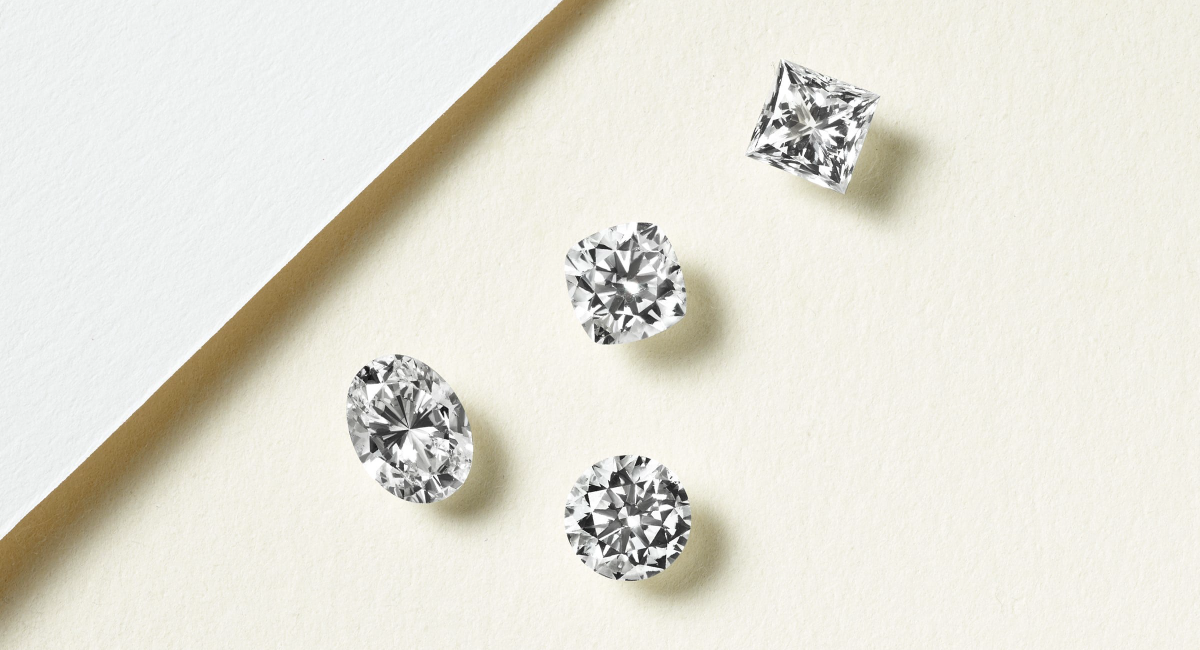
What Are Lab-Grown Diamonds?
Lab-grown diamonds, also known as lab-created diamonds, laboratory-grown diamonds, or synthetic diamonds, are genuine diamonds produced in controlled laboratory environments.
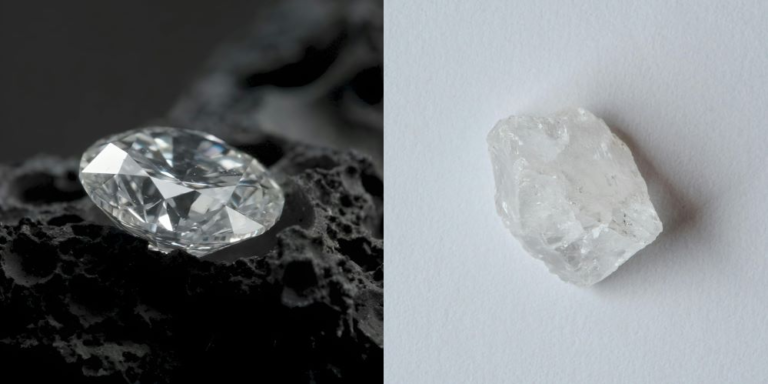
Using advanced technology, scientists recreate the natural conditions under which diamonds form. Carbon atoms bond together to create the same crystal structure found in mined diamonds, resulting in a diamond that is physically, chemically, and optically identical to one formed underground.
Unlike diamond simulants such as cubic zirconia or moissanite, lab-grown diamonds are genuine diamonds that can be graded and certified by leading gemological laboratories.
Lab-Grown Diamonds Are Real Diamonds
One of the biggest misconceptions is that lab-grown diamonds are fake or imitation stones.
In reality, they are 100% real diamonds made from crystallized carbon, just like natural diamonds. Because they share the same atomic structure, they also possess the same physical and optical characteristics.
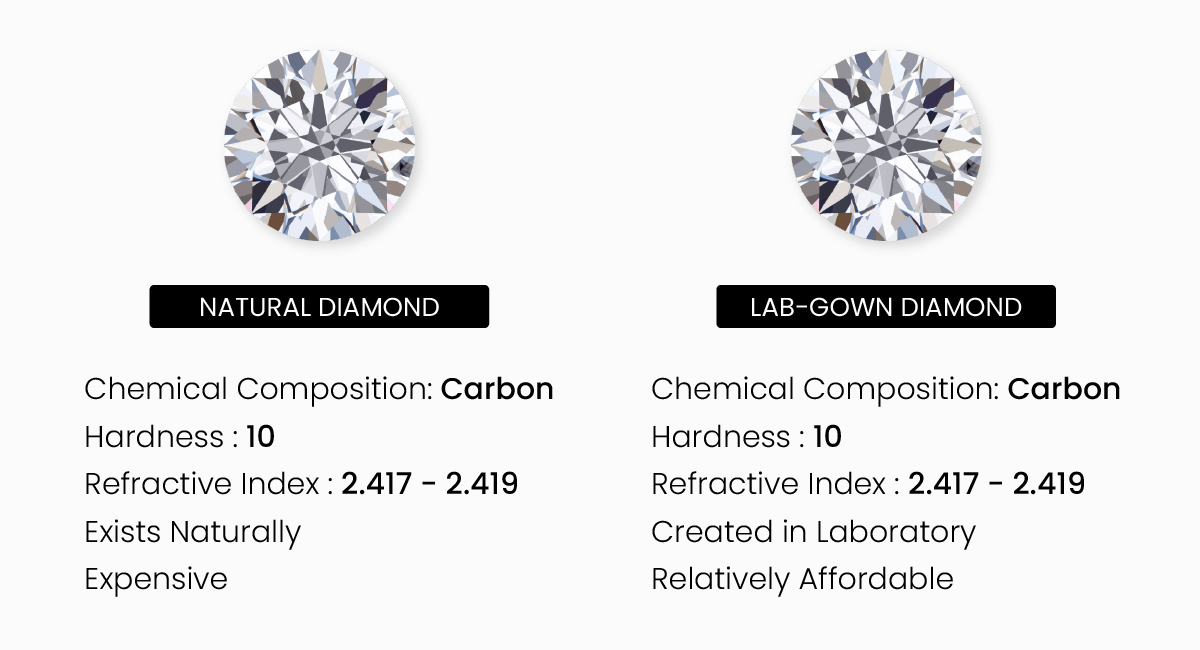
Lab-grown diamonds offer the same:
- Hardness (10 on the Mohs scale)
- Fire and brilliance
- Sparkle and light performance
- Chemical composition
- Crystal structure
- Durability
Without specialized gemological equipment, even experienced jewelers cannot distinguish most lab-grown diamonds from natural diamonds simply by looking at them.
Independent organizations such as the Gemological Institute of America (GIA) and the International Gemological Institute (IGI) also grade eligible lab-grown diamonds using the same internationally recognized standards applied to natural diamonds.
How Are Lab-Grown Diamonds Made?
Lab-grown diamonds are created by replicating the natural environment in which diamonds develop deep beneath the Earth’s surface. Rather than taking billions of years, this process can be completed in a matter of weeks using advanced technology.
Today, two primary methods are used to grow laboratory diamonds.
Chemical Vapor Deposition (CVD)
The CVD process begins with a small diamond seed placed inside a sealed chamber filled with carbon-rich gases. As the chamber is heated, carbon atoms separate from the gas and gradually attach to the seed, allowing the diamond crystal to grow layer by layer.
CVD technology is widely used to produce high-quality gem-grade diamonds with excellent clarity and consistency.
High Pressure High Temperature (HPHT)
The HPHT method recreates the intense heat and pressure naturally found deep inside the Earth.
A diamond seed is placed into specialized equipment where carbon is exposed to extremely high temperatures and pressure, allowing it to crystallize into a diamond. This technology is also used to improve the color of certain diamonds after growth.
Both CVD and HPHT produce genuine diamonds with the same hardness, brilliance, and durability as mined diamonds.
Lab-Grown Diamonds Are More Affordable Than Natural Diamonds
One of the biggest advantages of lab-grown diamonds is their affordability.
Because they are produced in laboratories rather than extracted through large-scale mining operations, manufacturing costs are generally lower. This allows consumers to purchase larger or higher-quality diamonds while staying within the same budget.
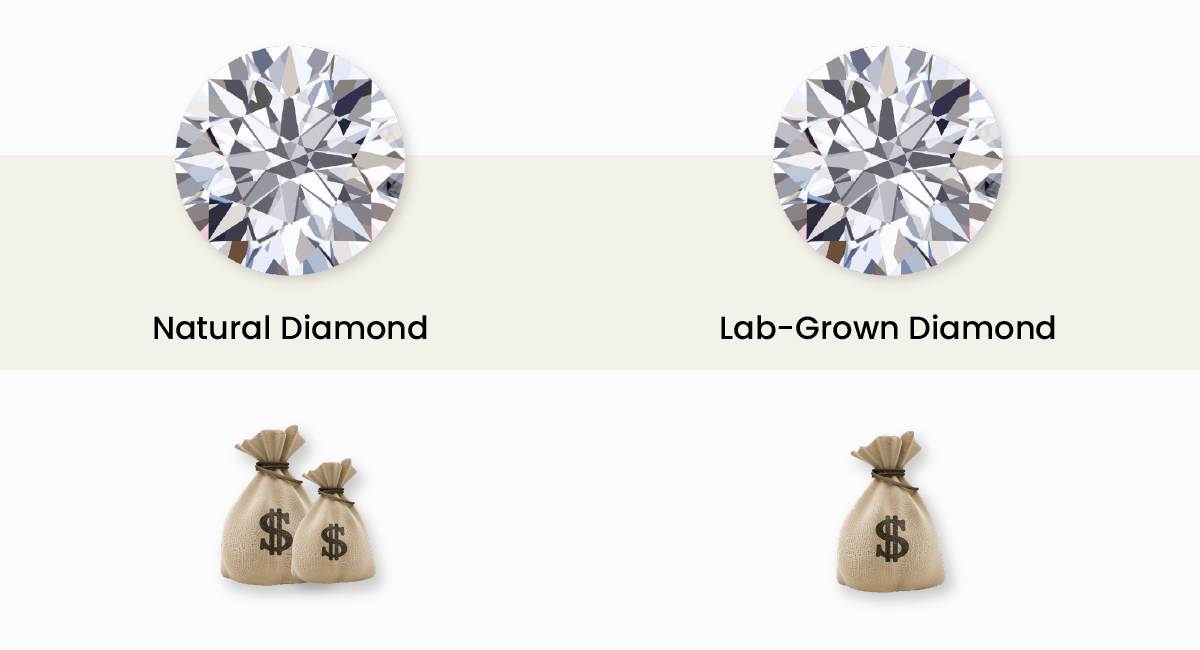
Instead of compromising on quality, buyers can often choose:
- A higher carat weight
- Better color grades
- Higher clarity
- Excellent cut quality
For many shoppers, lab-grown diamonds provide exceptional value without sacrificing beauty or authenticity.
Lab-Grown Diamonds Are an Ethical Choice
Ethical sourcing has become an important consideration for today’s jewelry buyers.
Unlike some mined diamonds that have historically been associated with conflict regions, forced labor, and human rights concerns, lab-grown diamonds are produced in controlled laboratory environments with transparent manufacturing processes.
Choosing a lab-grown diamond helps reduce concerns related to:
- Conflict diamonds
- Child labor
- Forced labor
- Unsafe mining conditions
- Human rights issues
For consumers who value responsible sourcing, lab-grown diamonds offer greater confidence and peace of mind.
Lab-Grown Diamonds Can Be More Environmentally Responsible
Traditional diamond mining often requires extensive land excavation, heavy machinery, and significant energy and water consumption.
Lab-grown diamonds eliminate the need for large-scale mining, helping reduce land disturbance and many of the environmental impacts associated with mineral extraction.
Although laboratory production still requires energy, advances in manufacturing technology and the increasing use of renewable energy are making the industry more sustainable.
For environmentally conscious consumers, lab-grown diamonds offer an attractive alternative that aligns with modern sustainability goals.
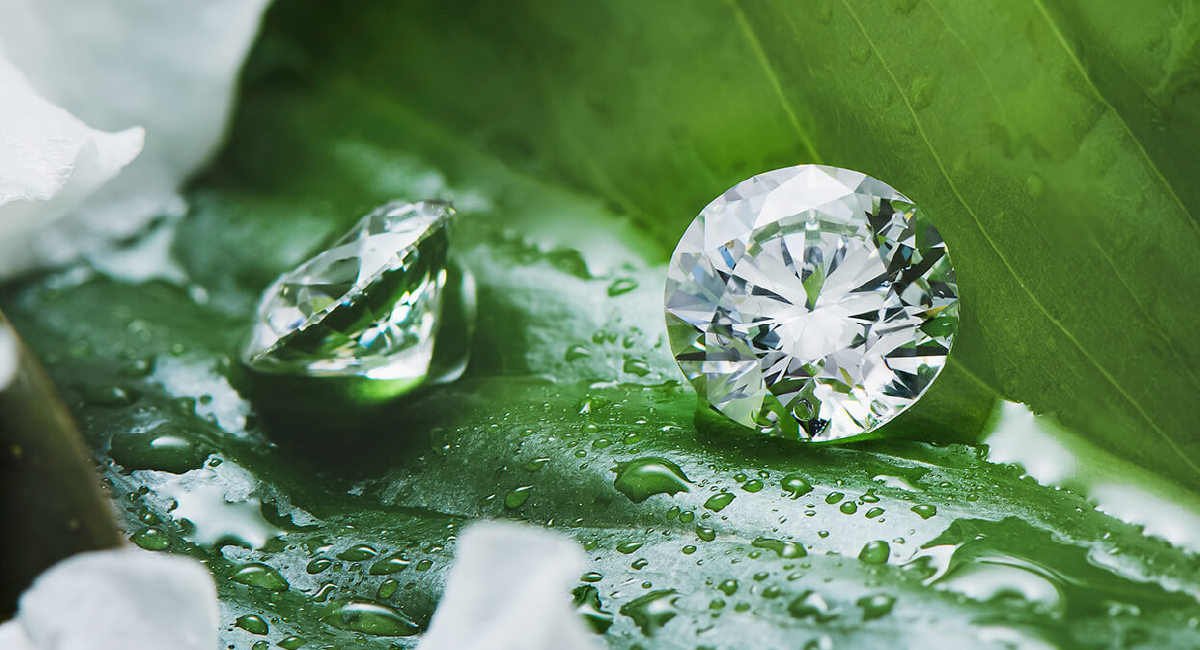
Lab-Grown Diamonds Are Available in a Wide Variety of Shapes, Sizes, and Colors
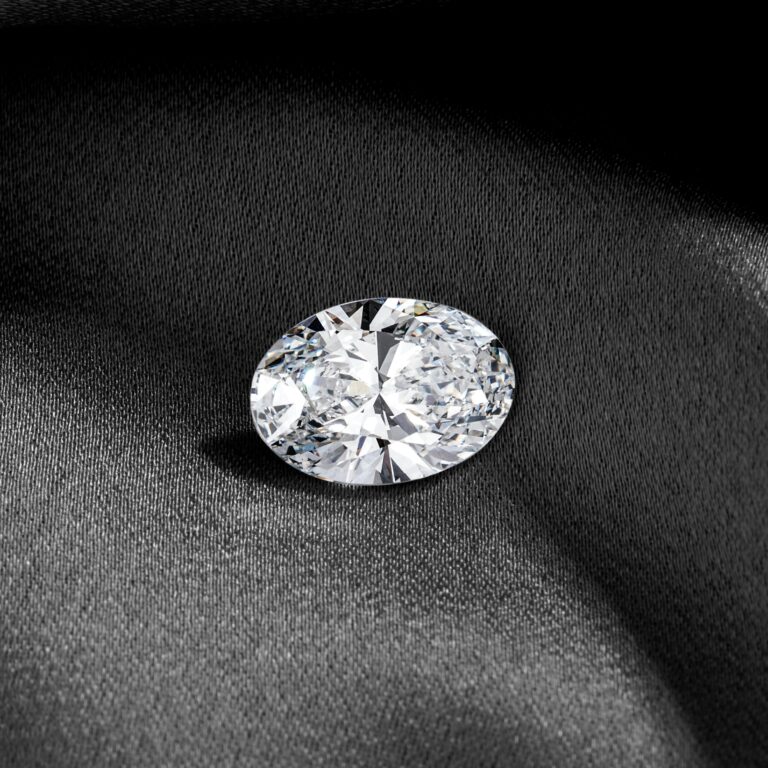
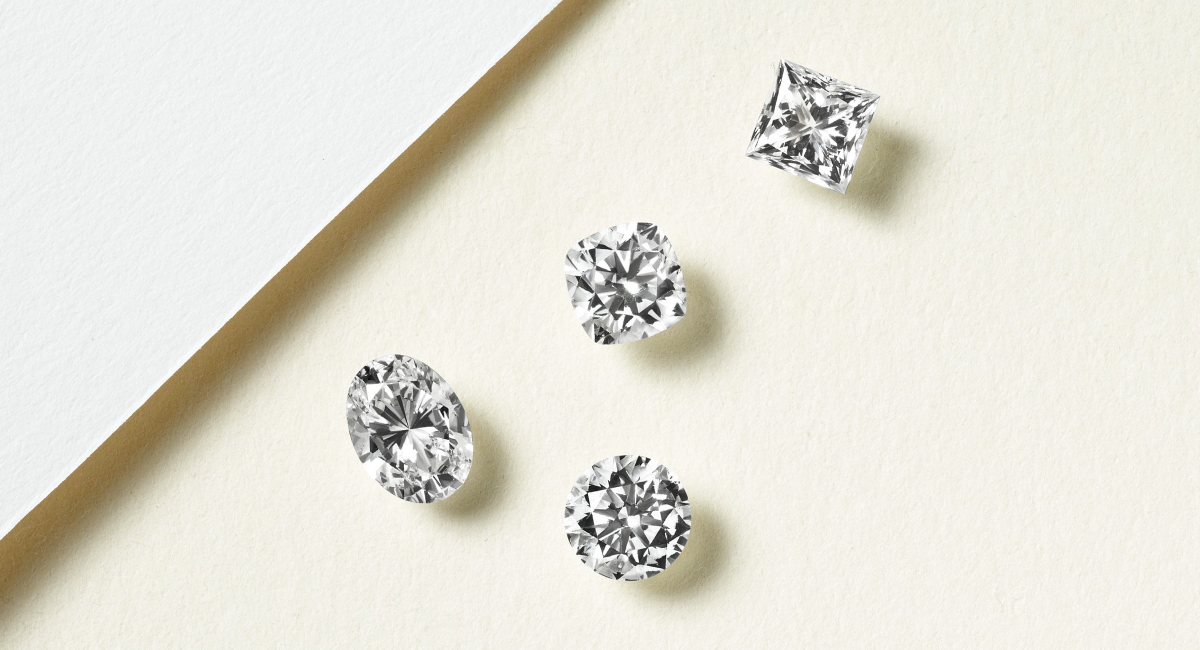
Today’s lab-grown diamonds are available in nearly every shape, size, and color found in natural diamonds.
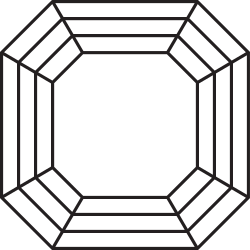
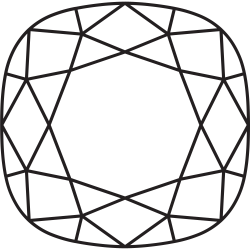
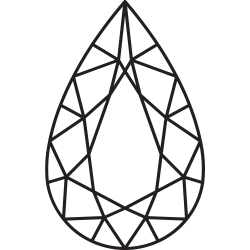
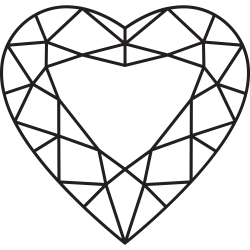
Popular diamond shapes include:
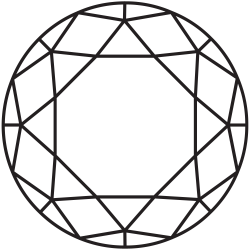
- Round Brilliant
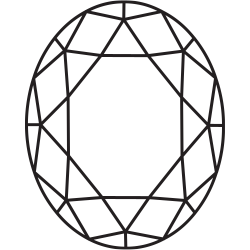
- Oval
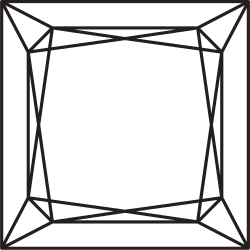
- Princess
- Cushion
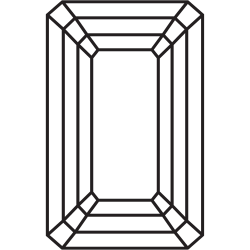
- Emerald
- Pear
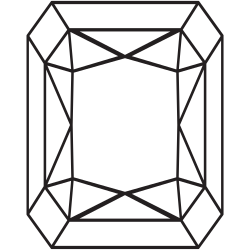
- Radiant
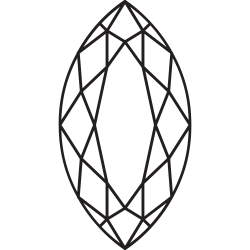
- Marquise
- Heart
- Asscher
In addition to classic white diamonds, laboratory-grown diamonds are also available in fancy colors such as yellow, pink, blue, and green.
Whether you’re looking for a loose diamond or a custom-designed engagement ring, earrings, pendant, or bracelet, lab-grown diamonds provide a wide range of options to suit different styles and budgets.
Lab-Grown Diamonds Offer Excellent Quality
The quality of lab-grown diamonds has improved significantly over the past decade. Advances in both CVD and HPHT technology now make it possible to produce diamonds with exceptional brilliance, clarity, and color.
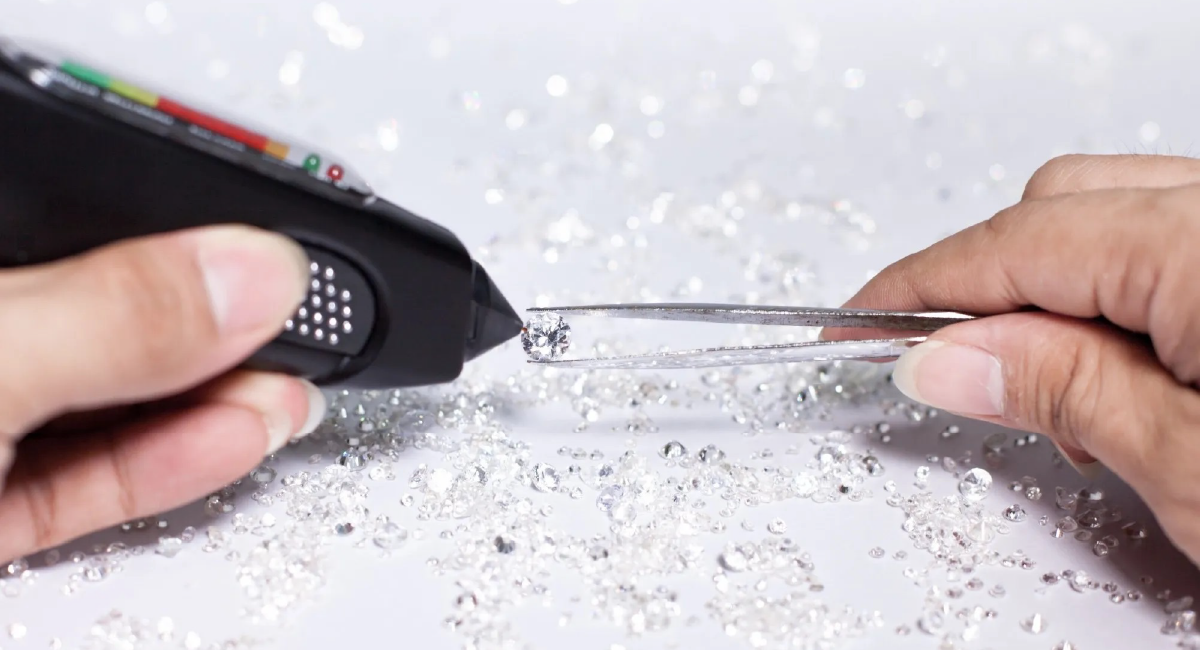
Like natural diamonds, lab-grown diamonds are evaluated using the internationally recognized Four Cs:
These grading standards allow buyers to compare diamonds based on quality rather than origin. A well-cut lab-grown diamond can display the same fire, sparkle, and brilliance as a mined diamond, making it an excellent choice for everyday wear and fine jewelry.
Lab-Grown Diamonds Can Be Certified
Many buyers wonder whether lab-grown diamonds receive official certification.
The answer is yes.
Leading independent gemological laboratories, including the Gemological Institute of America (GIA) and the International Gemological Institute (IGI), issue grading reports for eligible lab-grown diamonds.
A grading report typically includes important information such as:
- Carat weight
- Cut grade
- Color grade
- Clarity grade
- Polish
- Symmetry
- Fluorescence
- Measurements
A certified diamond gives buyers greater confidence by providing an independent assessment of the diamond’s quality and characteristics.
Lab-Grown Diamonds Are an Excellent Choice for Fine Jewelry
Lab-grown diamonds are suitable for almost every type of jewelry.
Their durability, brilliance, and affordability make them a popular choice for:
- Engagement rings
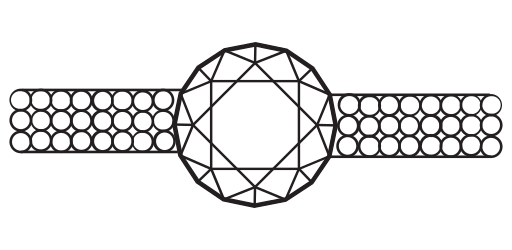
- Wedding bands
- Earrings
- Necklaces
- Pendants
- Tennis bracelets
- Anniversary gifts
- Custom jewelry designs
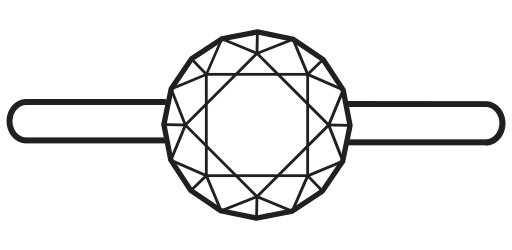
Because buyers can often choose a larger or higher-quality diamond within the same budget, lab-grown diamonds have become increasingly popular for engagement rings and other meaningful jewelry pieces.
Common Myths About Lab-Grown Diamonds
Despite their growing popularity, several misconceptions still exist. Understanding the facts can help consumers make more informed decisions.
Myth: Lab-Grown Diamonds Are Fake
Fact: Lab-grown diamonds are genuine diamonds. They have the same chemical composition, crystal structure, and optical properties as natural diamonds.
Myth: Lab-Grown Diamonds Do Not Sparkle
Fact: A diamond’s sparkle depends primarily on its cut quality rather than its origin. A well-cut lab-grown diamond can display exceptional brilliance and fire.
Myth: Lab-Grown Diamonds Wear Out Faster
Fact: Lab-grown diamonds have the same hardness and durability as mined diamonds, ranking 10 on the Mohs Hardness Scale. With proper care, they can last for generations.
Myth: Lab-Grown Diamonds Cannot Be Certified
Fact: Eligible lab-grown diamonds can be graded and certified by respected gemological laboratories such as GIA and IGI using the same quality standards applied to natural diamonds.
Myth: Lab-Grown Diamonds Have Limited Choices
Fact: Today’s lab-grown diamonds are available in a wide variety of shapes, sizes, colors, and quality grades, giving consumers plenty of options to match their style and budget.
Why More Consumers Are Choosing Lab-Grown Diamonds
Consumer preferences have changed significantly in recent years.
More buyers now consider factors beyond appearance when choosing a diamond, including ethical sourcing, sustainability, transparency, and overall value.
Lab-grown diamonds appeal to modern consumers because they offer:
- Authentic diamond beauty
- Excellent quality
- Competitive pricing
- Ethical production
- Greater supply chain transparency
- A wide range of design options
As technology continues to advance, lab-grown diamonds are expected to play an increasingly important role in the global jewelry industry.
Frequently Asked Questions
Are lab-grown diamonds real diamonds?
Yes. Lab-grown diamonds are real diamonds with the same physical, chemical, and optical properties as mined diamonds.
Do lab-grown diamonds sparkle like natural diamonds?
Yes. Their brilliance depends on the quality of the cut rather than where they were created.
Can lab-grown diamonds be certified?
Yes. Eligible lab-grown diamonds can receive grading reports from respected laboratories such as GIA and IGI.
Are lab-grown diamonds suitable for engagement rings?
Absolutely. Their durability, beauty, and affordability make them one of the most popular choices for engagement rings today.
Are lab-grown diamonds environmentally friendly?
Compared with traditional mining, lab-grown diamonds avoid large-scale land excavation and many of the environmental impacts associated with mining. Their overall environmental footprint depends on the production methods and energy sources used.
Are lab-grown diamonds worth buying?
For many consumers, yes. They offer the beauty and durability of a real diamond while providing excellent value, ethical sourcing, and greater transparency.
Final Thoughts
Lab-grown diamonds have changed the way people shop for fine jewelry by combining beauty, innovation, and responsible production.
They are real diamonds with the same sparkle, durability, and quality as mined diamonds, while offering additional advantages such as ethical sourcing, competitive pricing, and greater transparency.
Whether you’re purchasing your first diamond or upgrading an existing piece of jewelry, understanding the real facts about lab-grown diamonds can help you make a confident and informed decision.
As consumer awareness continues to grow, lab-grown diamonds are becoming an increasingly popular choice for engagement rings, fine jewelry, and investment in meaningful moments.
Discover Certified Lab-Grown Diamonds
At 4C Grown Diamond, we offer a carefully selected collection of certified lab-grown diamonds designed to meet the highest standards of quality and craftsmanship.
Whether you’re looking for a loose diamond or the perfect piece of jewelry, explore our collection and discover why more consumers are choosing lab-grown diamonds for life’s most memorable occasions.