
Diamond Clarity Guide: Understanding Diamond Clarity Grades in 2026

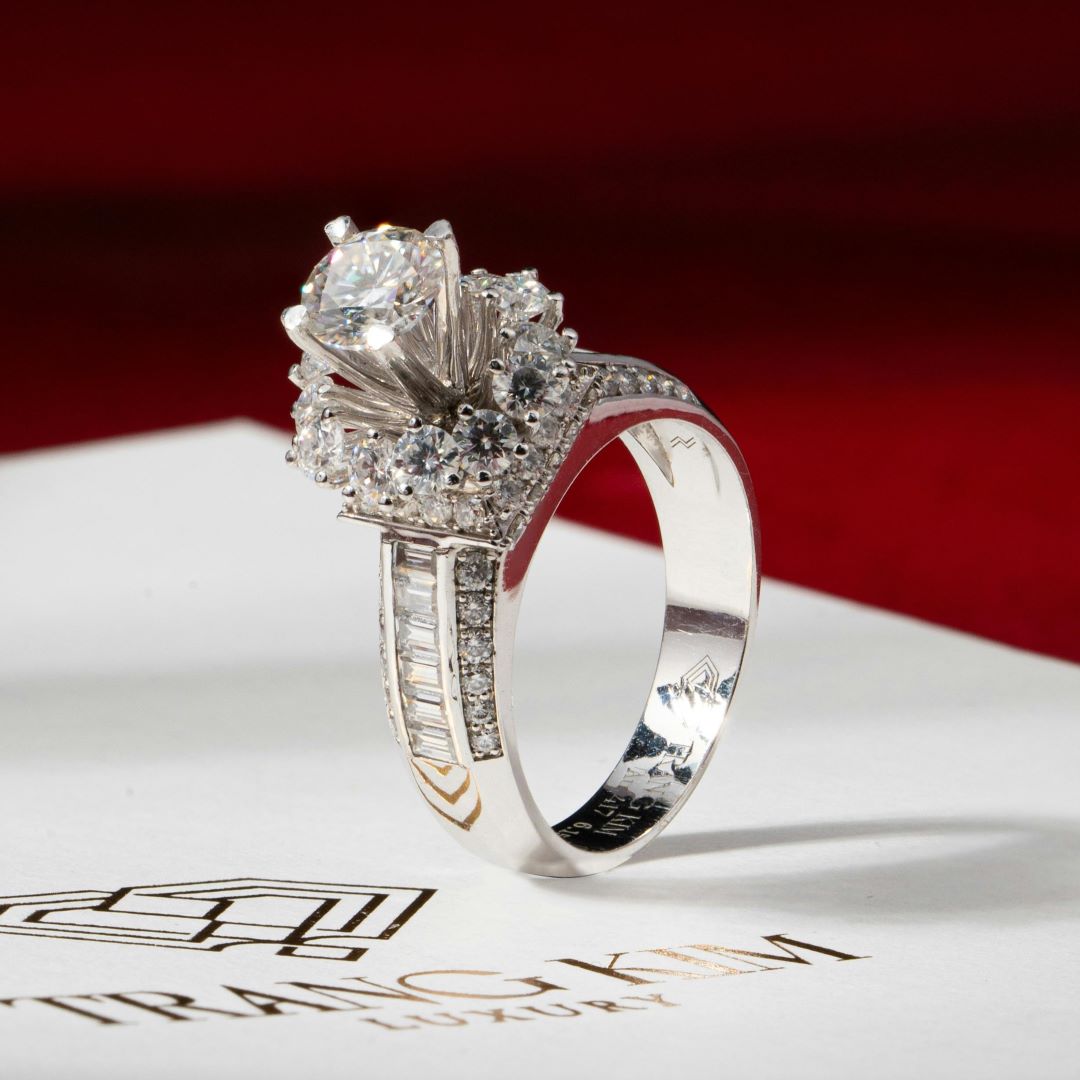
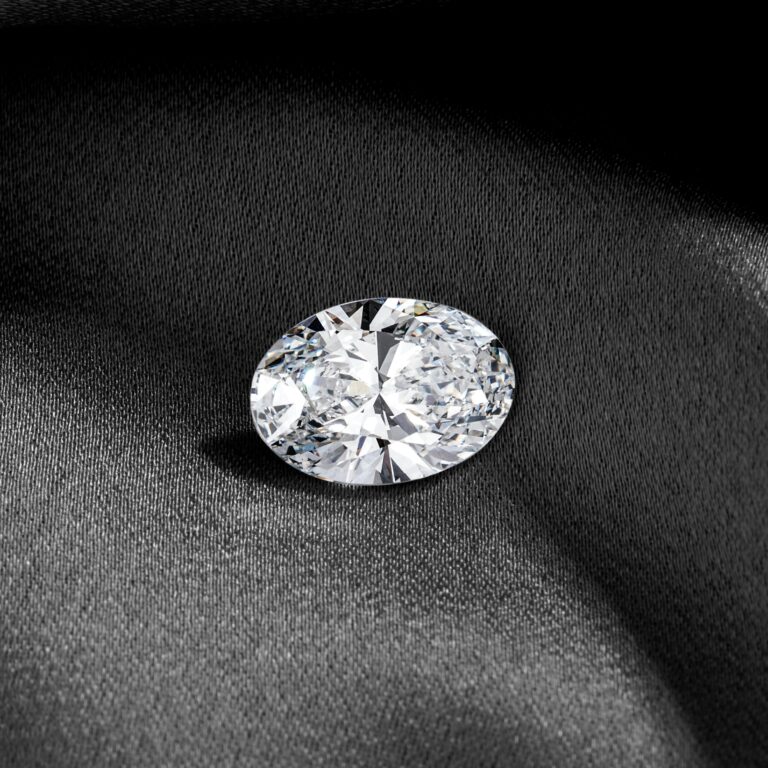
Diamond clarity refers to the presence of internal characteristics (inclusions) and external characteristics (blemishes) within a diamond. Along with Cut, Color, and Carat Weight, clarity is one of the Four Cs used to evaluate a diamond’s quality and value.
Understanding diamond clarity helps buyers choose a stone that offers the best balance between beauty and budget, especially when shopping for a lab grown diamond engagement ring.
What Is Diamond Clarity?
Diamond clarity measures how free a diamond is from inclusions and blemishes.
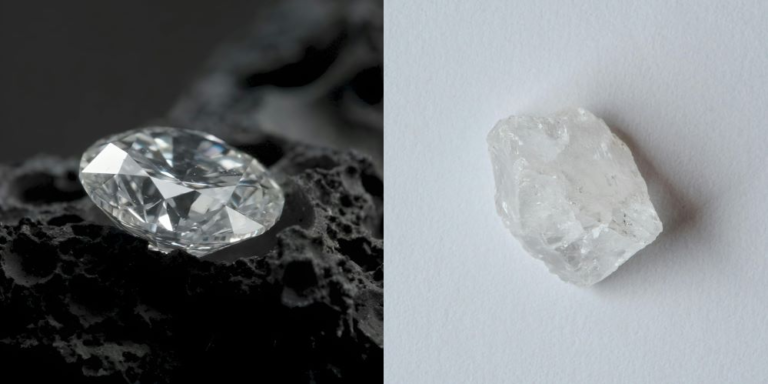
Most inclusions are microscopic and formed naturally during the diamond growth process. In lab grown diamonds, inclusions can also occur during crystal formation, although they are often easier to control.
The fewer visible inclusions a diamond has, the higher its clarity grade and the rarer the stone becomes.
Diamond Clarity Chart
| Grade | Description | Eye-Clean? | Value |
|---|---|---|---|
| FL | Flawless | Yes | Extremely Rare |
| IF | Internally Flawless | Yes | Very Rare |
| VVS1 | Minute inclusions | Yes | Premium |
| VVS2 | Very tiny inclusions | Yes | Premium |
| VS1 | Minor inclusions | Yes | Excellent Value |
| VS2 | Minor inclusions | Usually Yes | Best Value |
| SI1 | Noticeable under magnification | Often Yes | Budget-Friendly |
| SI2 | Easily visible under magnification | Sometimes | Lower Cost |
| I1-I3 | Visible inclusions | No | Lowest Grade |
Understanding VVS, VS, and SI Clarity
VVS Diamonds
VVS (Very Very Slightly Included) diamonds contain extremely small inclusions that are difficult even for professional graders to locate under 10x magnification.
For a detailed breakdown, read our VVS Diamond Guide.
VS Diamonds
VS1 and VS2 diamonds are among the most popular clarity grades because they offer excellent brilliance while avoiding the premium cost associated with VVS diamonds.
Many experts consider VS2 diamonds the ideal balance of quality and value.
SI Diamonds
SI1 and SI2 diamonds can offer excellent value when carefully selected. Some SI1 diamonds remain eye-clean, particularly in brilliant-cut shapes such as Round and Oval diamonds.
Key Factors That Affect Diamond Clarity
Gemologists evaluate clarity based on five primary factors:
Size
Larger inclusions are easier to detect and have a greater impact on clarity.
Number
Multiple inclusions can affect light performance and reduce brilliance.
Location
Inclusions located beneath the table are generally more visible than those near the girdle.
Type
Common inclusion types include pinpoints, feathers, clouds, and crystals.
Color
Dark inclusions are usually more visible than transparent or white inclusions.
How Clarity Impacts Diamond Price
Clarity has a significant effect on diamond pricing.
For natural diamonds, moving from VS2 to VVS1 can dramatically increase cost. However, lab grown diamonds typically have much smaller price differences between clarity grades, making higher clarity stones more affordable.
To compare pricing across different clarity grades, use our Diamond Price Calculator.
What Is an Eye-Clean Diamond?
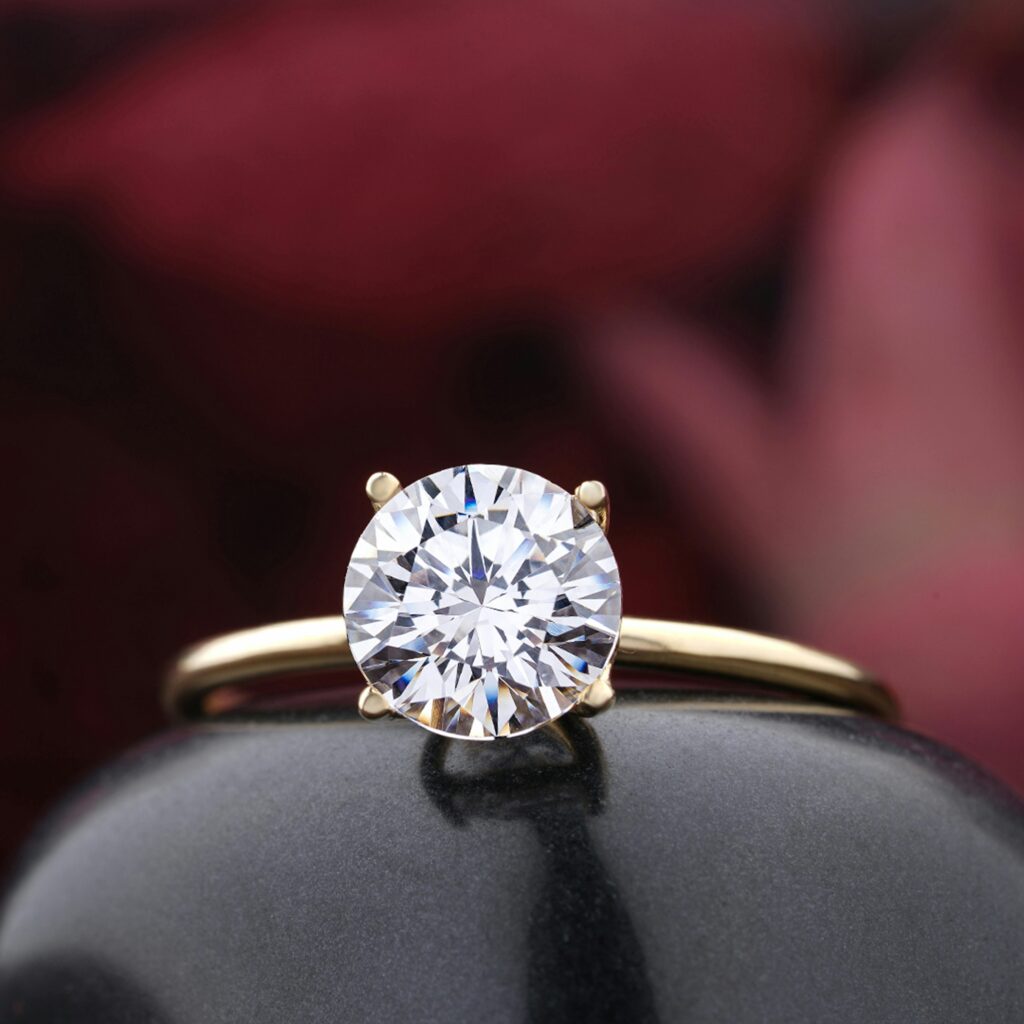
An eye-clean diamond is a diamond whose inclusions cannot be seen without magnification during normal viewing conditions.
For most buyers, an eye-clean diamond provides the best value because it delivers exceptional visual beauty without paying for microscopic perfection.
VS1, VS2, and many SI1 diamonds are commonly considered eye-clean.
Best Diamond Clarity for Engagement Rings
The best clarity grade depends on your budget and diamond shape.
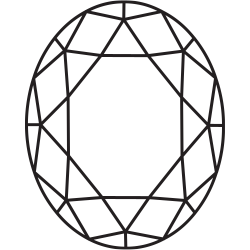
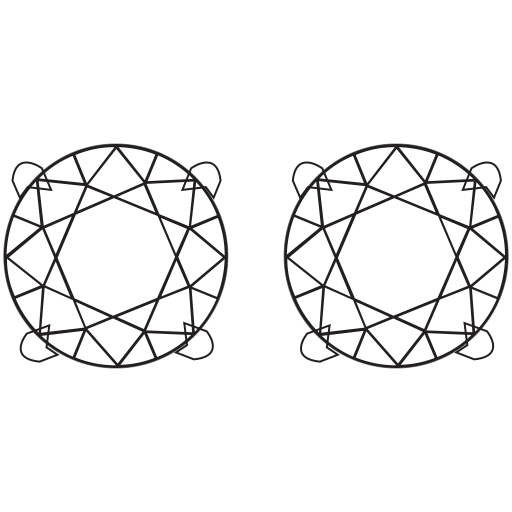
- Round Diamonds: VS2–SI1
- Oval Diamonds: VS2–SI1
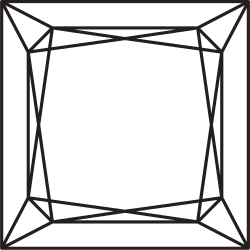
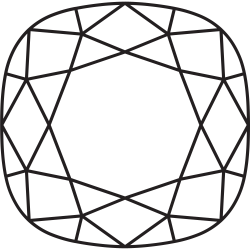
- Cushion Diamonds: VS2–SI1
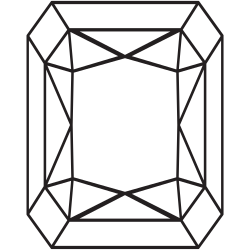
- Emerald Diamonds: VS1–VVS2
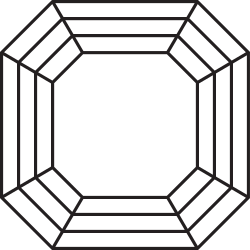
- Asscher Diamonds: VS1–VVS2
Step-cut diamonds reveal inclusions more easily, making higher clarity grades more desirable.
Smart Buyer Tips for Engagement Rings
- Aim for “Eye-Clean”: Most buyers choose VS1 or VS2 grades for excellent value. These diamonds are “eye-clean,” meaning their flaws are virtually invisible to the naked eye, allowing you to save money to spend on a higher Cut grade or a larger Carat size.
- Consider Diamond Shape: Step-cut shapes like Emerald or Asscher cuts have large, open tables that make inclusions more visible. For these shapes, upgrading to a VVS2 or VS1 is safer. For brilliant cuts like Round or Oval, an SI1 or VS2 is often perfectly clean to the naked eye.
- Trust the Certificate: Always make sure your stone comes with a verified diamond certificate from reputable labs like IGI or GIA to confirm the clarity grade is accurate.
Lab Grown vs Natural Diamond Clarity
One major advantage of lab grown diamonds is value.
Because laboratory growth conditions are controlled, high-clarity diamonds are more readily available. Buyers can often purchase a VVS or VS diamond at a significantly lower cost than an equivalent natural diamond.
Related Diamond Guides
Conclusion
Diamond clarity affects both appearance and price, but higher clarity does not always mean better value. For most engagement ring buyers, VS1 and VS2 diamonds offer the ideal combination of brilliance, beauty, and affordability.
Understanding clarity grades and choosing an eye-clean diamond can help maximize your budget while still achieving a stunning look.
FAQs
What Is Diamond Clarity?
Diamond clarity measures the presence of internal inclusions and external blemishes within a diamond. The fewer visible imperfections a diamond has, the higher its clarity grade and the more valuable it is likely to be.
What Is the Best Diamond Clarity Grade for an Engagement Ring?
For most buyers, VS1 and VS2 diamonds offer the best balance between appearance and value. These diamonds are typically eye-clean, meaning inclusions cannot be seen without magnification, while costing less than higher clarity grades such as VVS1 or FL.
What Does VVS Mean in Diamond Clarity
VVS stands for Very Very Slightly Included. VVS diamonds contain extremely small inclusions that are difficult for even professional gemologists to detect under 10x magnification. They are considered among the highest clarity grades available.
Are VS Diamonds Eye-Clean?
Yes, most VS1 and VS2 diamonds are eye-clean. Inclusions are usually invisible to the naked eye, making VS diamonds one of the most popular choices for engagement rings due to their excellent value and appearance.
Is SI1 Clarity Good Enough?
Yes, many SI1 diamonds are eye-clean and offer excellent value. However, visibility of inclusions depends on the diamond’s shape, size, and inclusion placement. It is always recommended to review images and grading reports before purchasing.
Do Lab Grown Diamonds Have Clarity Grades?
Yes, lab grown diamonds are graded using the same clarity scale as natural diamonds. Independent laboratories such as IGI and GIA evaluate lab grown diamonds based on clarity, color, cut, and carat weight.
Which Is Better: VVS or VS Diamonds?
VVS diamonds have fewer inclusions and a higher clarity grade than VS diamonds. However, both VVS and VS diamonds generally appear flawless to the naked eye. Many buyers choose VS diamonds because they provide a better balance of quality and price.
Does Diamond Clarity Affect Price?
Yes, clarity significantly impacts diamond pricing. Higher clarity grades such as FL, IF, and VVS are rarer and more expensive. However, many buyers find that VS clarity diamonds offer similar visual beauty at a lower cost.