




Why are Lab-created Diamonds called blood-free diamonds?

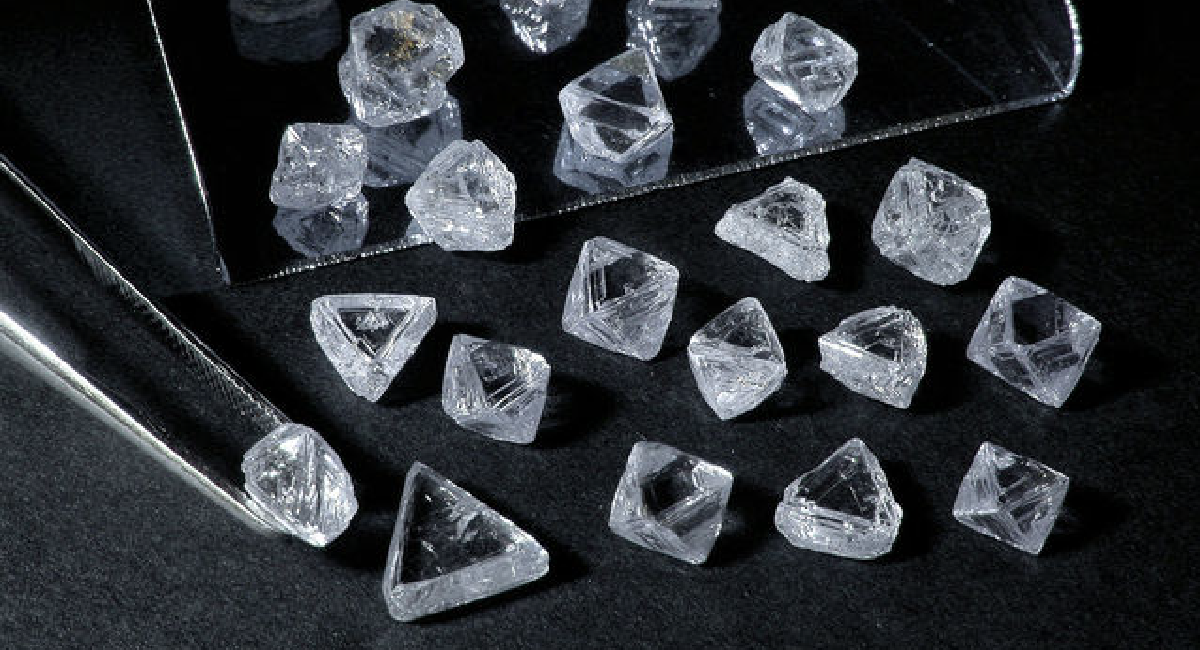
Lab-created diamonds are called blood-free diamonds because they are produced in advanced laboratories instead of being mined from conflict-affected regions. Unlike some natural diamonds that have historically been linked to armed conflicts, forced labor, and human rights abuses, lab-created diamonds are grown in controlled environments using modern technology. They offer consumers an ethical alternative without compromising on beauty, durability, or quality.
As more buyers seek transparency and responsible sourcing, lab-grown diamonds have become an increasingly popular choice. They are physically, chemically, and optically identical to mined diamonds, yet they avoid many of the ethical concerns associated with traditional diamond mining.
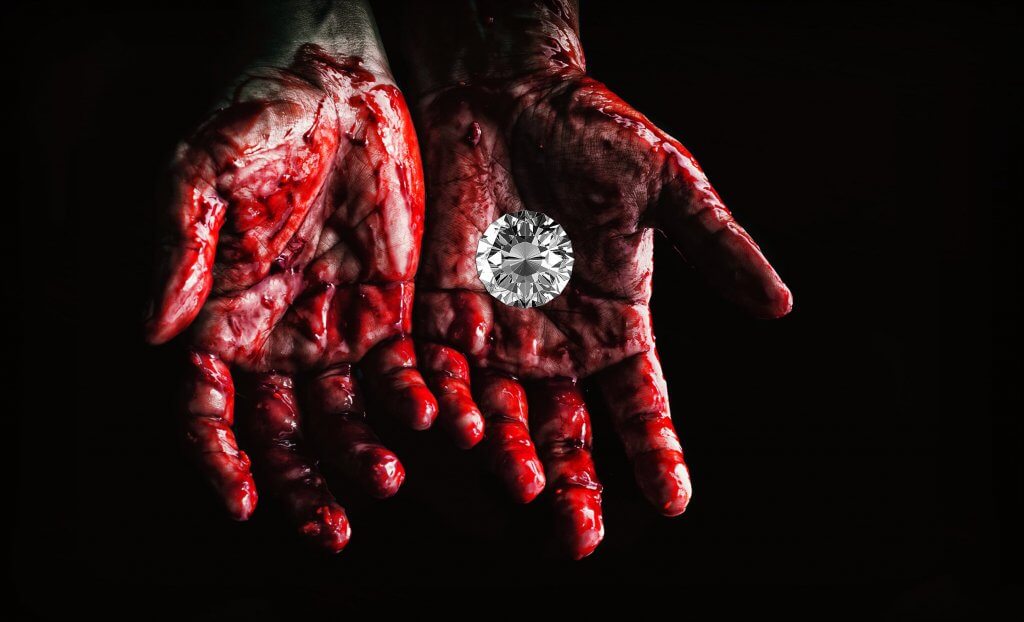
What Are Blood Diamonds?
Blood diamonds, also known as conflict diamonds, are natural diamonds mined in regions controlled by armed groups. The profits from selling these diamonds have historically been used to finance wars, political conflicts, and violent activities.
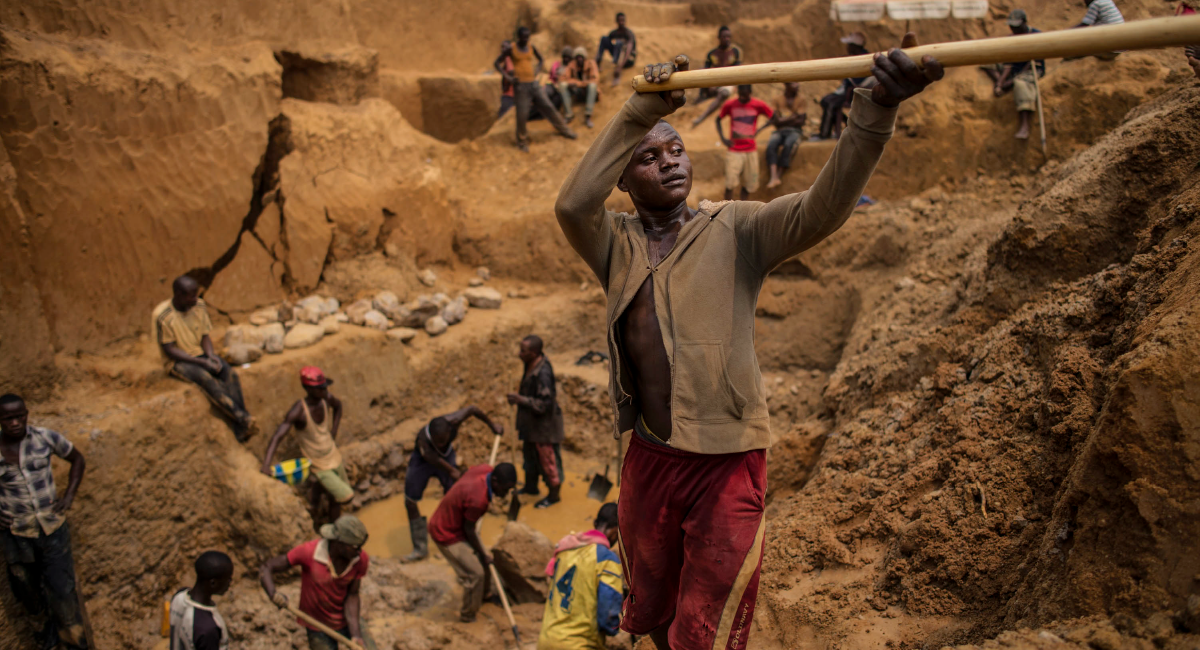
During the 1990s and early 2000s, several African countries experienced devastating civil wars in which diamonds became a major source of funding for rebel organizations. Countries most commonly associated with conflict diamonds include:
- Sierra Leone
- Angola
- Liberia
- Côte d’Ivoire
- Democratic Republic of the Congo (DRC)
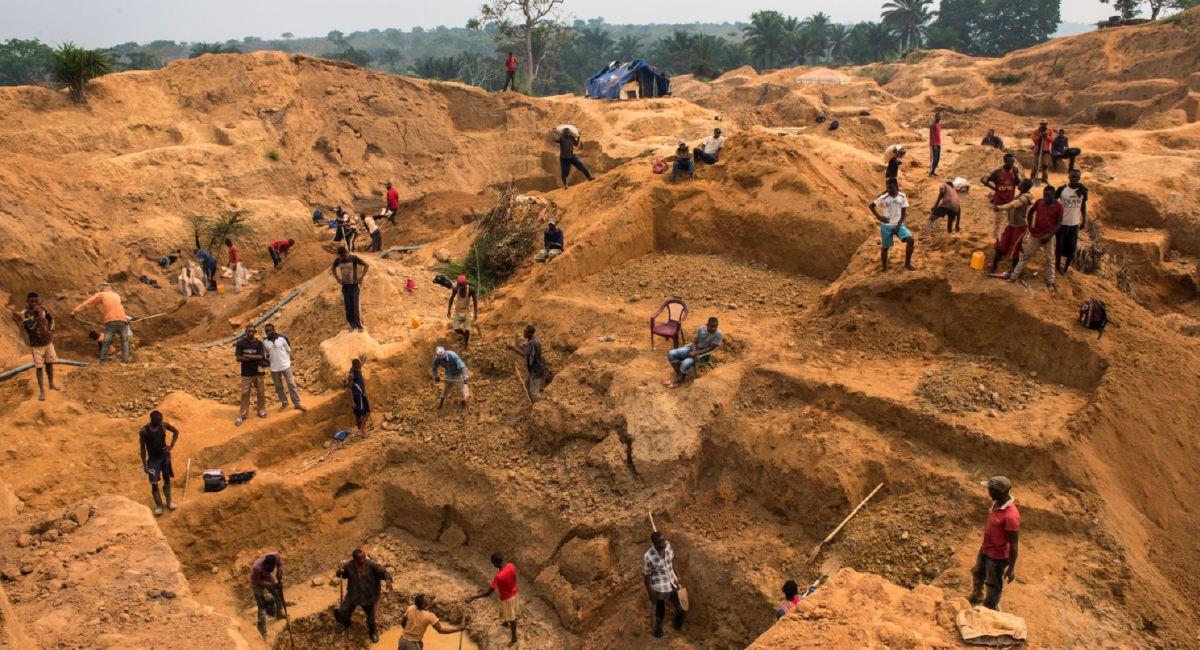
In many cases, local communities suffered severe human rights violations. Reports documented forced labor, child labor, unsafe working conditions, and violence against civilians working in diamond mines.
Because of this history, the term blood diamond has become closely associated with unethical mining practices and conflict financing.
Why Are Lab-Created Diamonds Considered Blood-Free?
Lab-created diamonds eliminate the primary concerns surrounding blood diamonds because they are grown in laboratories rather than extracted from mines located in conflict regions.
Every stage of the manufacturing process takes place in a controlled facility where safety standards, labor regulations, and production quality can be monitored. As a result, consumers can purchase a genuine diamond without contributing to armed conflicts or unethical mining practices.
Unlike conflict diamonds, laboratory-grown diamonds:
- Do not finance wars or armed groups.
- Are not mined in conflict regions.
- Do not rely on forced or child labor.
- Are produced under controlled manufacturing conditions.
- Offer greater transparency throughout the supply chain.
For many modern consumers, these ethical advantages are just as important as a diamond’s appearance or value.
The History Behind Blood Diamond
The global awareness of blood diamonds increased dramatically during the civil war in Sierra Leone in the 1990s. Armed groups seized control of diamond-rich areas and sold rough diamonds to purchase weapons and finance ongoing conflicts.
Investigations later revealed similar situations in several neighboring countries, where illegal diamond trading prolonged wars and fueled widespread violence.
Many miners worked under extremely dangerous conditions. Some were forced to work against their will, while others received little or no compensation. Human rights organizations also reported cases involving child labor, physical abuse, and severe exploitation.
As international concern grew, governments, industry organizations, and humanitarian groups began working together to reduce the trade of conflict diamonds and improve transparency within the diamond supply chain.
The Kimberley Process: Reducing the Trade of Conflict Diamonds
One of the most significant initiatives to combat blood diamonds is the Kimberley Process Certification Scheme (KPCS), introduced in 2003.
The Kimberley Process was established by participating governments, the diamond industry, and civil society organizations to prevent conflict diamonds from entering the legitimate global diamond market.
Under this certification system, rough diamonds must be accompanied by official documentation verifying that they are conflict-free before they can be legally traded between participating countries.
The Kimberley Process has significantly reduced the proportion of conflict diamonds in the international market. While it is not considered a perfect solution and has faced criticism regarding enforcement and definitions, it remains one of the most important international efforts to improve transparency in the diamond industry.
Even with these improvements, many consumers continue to seek alternatives that provide even greater confidence in ethical sourcing—one of the reasons lab-created diamonds have gained widespread popularity.
How Are Lab-Created Diamonds Made?
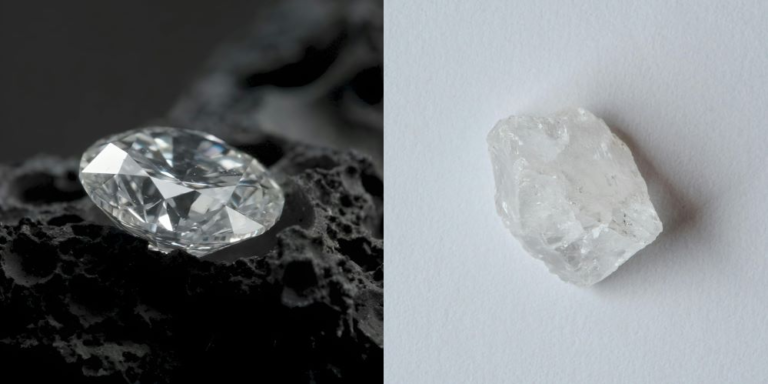
Unlike mined diamonds, lab-created diamonds are produced using advanced scientific methods that replicate the natural conditions under which diamonds form deep within the Earth.
Today, two primary manufacturing methods are used:
Chemical Vapor Deposition (CVD)
The CVD process begins with a tiny diamond seed placed inside a specialized chamber filled with carbon-rich gases. Under carefully controlled temperatures and pressure, carbon atoms gradually bond to the seed layer by layer, allowing a diamond crystal to grow over time.
CVD technology offers excellent control over the growth process and is widely used to produce high-quality gem-grade diamonds.
High Pressure High Temperature (HPHT)
HPHT technology recreates the intense pressure and heat found deep beneath the Earth’s surface. A diamond seed is placed in a specialized press, where carbon is transformed into a diamond crystal under extreme conditions.
HPHT is commonly used both to grow new laboratory diamonds and to enhance the color of certain natural or laboratory-grown diamonds.
Regardless of which method is used, the final product is a real diamond with the same crystal structure, hardness, brilliance, and durability as a mined diamond.
Are Lab-Created Diamonds Real Diamonds?
Yes. Lab-created diamonds are real diamonds, not diamond simulants such as cubic zirconia or moissanite.
Both laboratory-grown and mined diamonds consist entirely of crystallized carbon atoms arranged in the same atomic structure. Because of this identical composition, they share the same:
- Hardness (10 on the Mohs scale)
- Optical brilliance
- Fire and sparkle
- Thermal conductivity
- Chemical composition
- Crystal structure
Even experienced jewelers cannot distinguish most lab-created diamonds from natural diamonds with the naked eye. Specialized gemological equipment is required for identification.
Leading gemological laboratories, including the Gemological Institute of America (GIA) and the International Gemological Institute (IGI), grade lab-created diamonds using the same internationally
Their quality is evaluated using the internationally recognized Four Cs.
Ethical Advantages of Lab-Created Diamonds
One of the biggest reasons consumers choose lab-created diamonds is their ethical origin. Unlike diamonds that may pass through complex mining and trading networks, laboratory-grown diamonds are produced in controlled facilities with greater transparency throughout the manufacturing process.
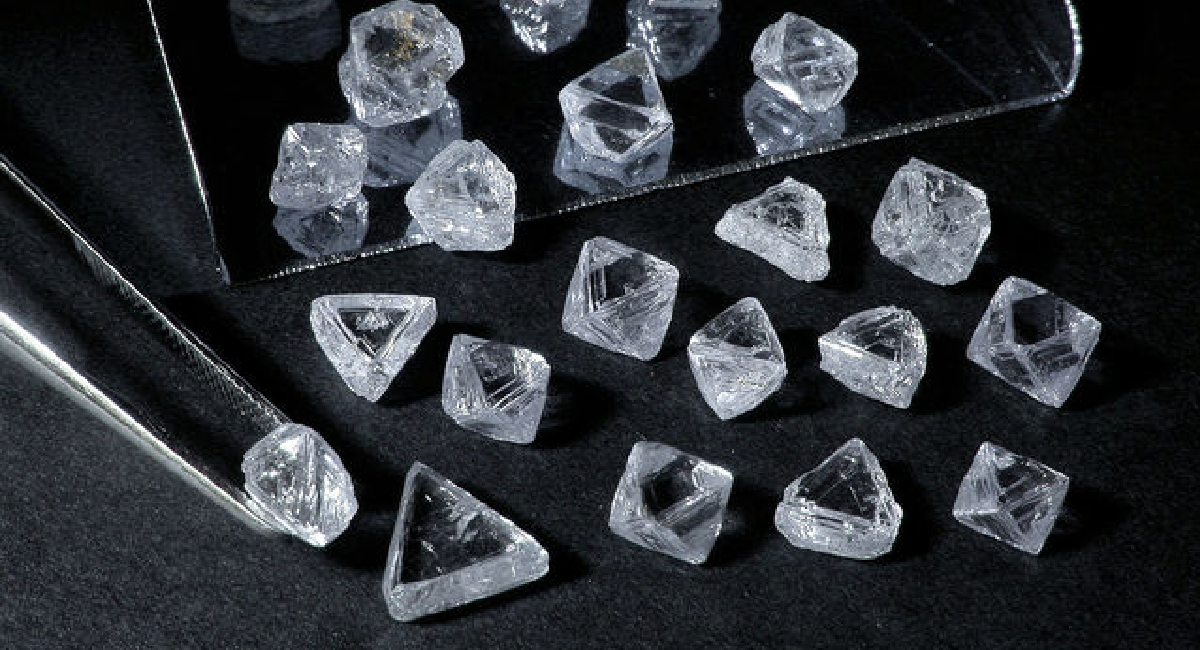
Choosing a lab-created diamond helps reduce concerns related to:
- Funding armed conflicts
- Forced or child labor
- Unsafe mining conditions
- Human rights violations
- Unclear sourcing practices
For many buyers, especially younger generations, knowing where a diamond comes from is just as important as its beauty or size. Ethical sourcing has become a key factor in purchasing decisions, making lab-created diamonds an attractive alternative.
Environmental Benefits of Lab-Created Diamonds
In addition to ethical advantages, lab-created diamonds are often considered a more environmentally responsible option.
Traditional diamond mining requires large-scale excavation, heavy machinery, and significant land disturbance. Depending on the mining location, it may also affect local ecosystems and require substantial water and energy resources.
Laboratory-grown diamonds are produced in controlled environments without open-pit mining, helping reduce many of the environmental impacts associated with extracting natural diamonds.
While every manufacturing process has an environmental footprint, ongoing improvements in production technology and the increasing use of renewable energy continue to make lab-created diamonds an appealing choice for environmentally conscious consumers.
Lab-Created Diamonds vs. Blood Diamonds
Understanding the differences between lab-created diamonds and blood diamonds can help consumers make informed purchasing decisions.
| Feature | Lab-Created Diamonds | Blood Diamonds |
|---|---|---|
| Origin | Grown in laboratories | Mined in conflict regions |
| Human Rights | Produced under regulated working conditions | May involve forced labor or child labor |
| Conflict Funding | Does not finance armed groups | Historically linked to armed conflicts |
| Supply Chain | More transparent | May be difficult to trace |
| Environmental Impact | No large-scale mining required | Mining may disturb ecosystems |
| Diamond Quality | Real diamond | Real diamond |
Although not every natural diamond is a blood diamond, lab-created diamonds provide buyers with greater confidence regarding ethical sourcing and transparency.
Are All Natural Diamonds Blood Diamonds?
No.
It is important to understand that not all natural diamonds are blood diamonds.
Today, the majority of legally traded natural diamonds come through regulated supply chains and comply with international certification requirements such as the Kimberley Process.
However, because tracing every diamond throughout the global supply chain can be challenging, some consumers prefer lab-created diamonds, which offer a clearly documented manufacturing process from production to sale.
Rather than replacing natural diamonds, lab-created diamonds provide an additional option for buyers who prioritize ethical sourcing, sustainability, and transparency.
Why More Consumers Are Choosing Lab-Created Diamonds
The popularity of lab-created diamonds continues to grow around the world.
Several factors have contributed to this trend:
- Ethical sourcing
- Greater supply chain transparency
- Competitive pricing
- Excellent quality and brilliance
- Environmentally conscious purchasing
- Availability in a wide variety of shapes, sizes, and colors
Whether purchasing an engagement ring, wedding band, earrings, or a loose diamond, many consumers appreciate the combination of beauty, value, and responsible production offered by lab-created diamonds.
Frequently Asked Questions
Are lab-created diamonds conflict-free?
Yes. Because they are grown in laboratories instead of mined from conflict regions, lab-created diamonds are widely regarded as conflict-free and are not associated with financing armed conflicts.
Are lab-created diamonds real diamonds?
Absolutely. Lab-created diamonds have the same physical, chemical, and optical properties as natural diamonds. They are genuine diamonds, not imitation stones.
Can lab-created diamonds be certified?
Yes. Independent gemological laboratories such as GIA and IGI grade eligible lab-created diamonds using internationally recognized standards based on the Four Cs: Cut, Color, Clarity, and Carat Weight.
Are lab-created diamonds environmentally friendly?
Compared with traditional mining, lab-created diamonds avoid large-scale excavation and many of the environmental impacts associated with mining. However, like any manufacturing process, they still require energy and resources. Their overall environmental impact depends on production methods and energy sources.
Do lab-created diamonds hold the same beauty as natural diamonds?
Yes. Since laboratory-grown diamonds share the same crystal structure as mined diamonds, they exhibit the same brilliance, fire, and sparkle that consumers expect from a genuine diamond.
Final Thoughts
Lab-created diamonds have transformed the modern jewelry industry by offering consumers an ethical, transparent, and innovative alternative to traditionally mined diamonds.
Their status as blood-free diamonds comes from the fact that they are created in laboratories rather than extracted from conflict-affected regions. This eliminates concerns related to conflict financing, forced labor, and many of the human rights issues historically associated with blood diamonds.
For consumers seeking beauty, authenticity, and peace of mind, lab-created diamonds represent an outstanding choice. They combine the timeless qualities of a real diamond with responsible production practices that reflect the values of today’s buyers.
Whether you’re searching for a loose diamond or a finished piece of fine jewelry, understanding the story behind blood-free diamonds can help you make a more informed and confident decision.
Explore Ethical Lab-Created Diamonds
At 4C Grown Diamond, we believe every diamond should reflect not only exceptional beauty but also responsible craftsmanship. Browse our collection of certified lab-created diamonds and discover a smarter, more ethical way to celebrate life’s most meaningful moments.