
Clarity Comparison
VVS1 vs VVS2 Diamond:
Is the Price Premium Worth It?
Both VVS1 and VVS2 represent near-flawless diamond perfection. Discover the crucial structural differences, inclusion placement rules, and price savings to decide which clarity grade best suits your diamond selection.
Understanding Very Very Slightly Included Clarity
The definitive line between VVS1 and VVS2 lies in inclusion location under 10x magnification.
In the GIA and IGI diamond clarity hierarchy, VVS (Very Very Slightly Included) diamonds contain minuscule inclusions that are exceedingly difficult for even trained gemologists to pinpoint using a standard 10x gemological loupe. To the naked eye, both VVS1 and VVS2 diamonds are 100% eye-clean in all carat sizes and cuts.
The fundamental distinction between VVS1 and VVS2 comes down to location and direction of visibility:
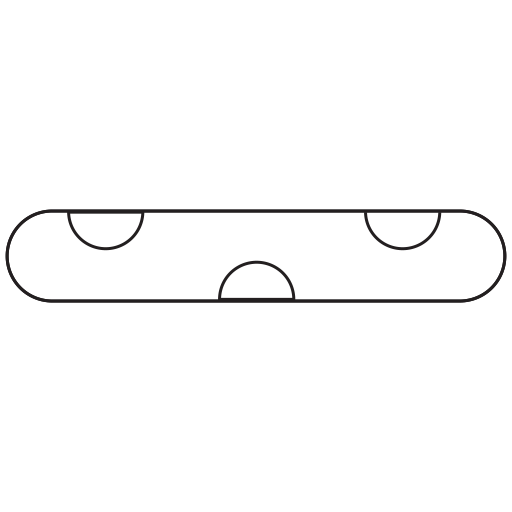
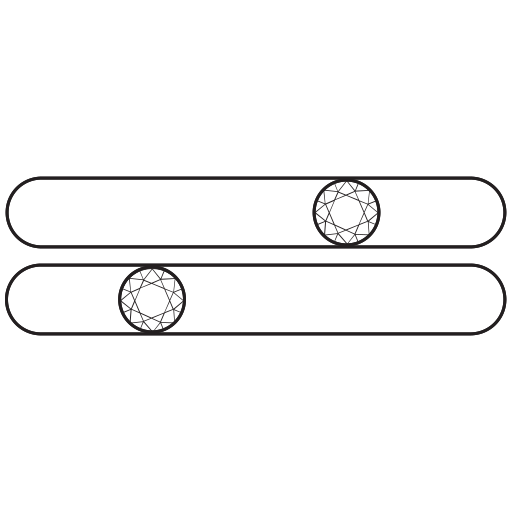
- VVS1 Inclusions: Extremely micro pinpoint inclusions that are visible only from the pavilion (bottom) of the diamond, or are virtually invisible from the crown (top view).
- VVS2 Inclusions: Micro pinpoints or tiny clouds that are visible from the crown (top view) when evaluated carefully under 10x magnification.
10x Gemological Loupe Visualizer
Simulate how a master gemologist inspects VVS1 vs VVS2 inclusions
Pavilion Pinpoint (VVS1)
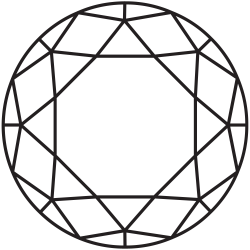
VVS1 Pavilion View: Inclusions are located near the bottom (pavilion) facets and cannot be seen through the top table, giving it a higher clarity score.
VVS1 vs VVS2 Direct Comparison
Core characteristics side by side
| Comparison Factor | VVS1 (Very Very Slightly 1) | VVS2 (Very Very Slightly 2) |
|---|---|---|
| Clarity Rank | Directly below Internally Flawless (IF) | Directly below VVS1 |
| Inclusion Location | Pavilion (bottom) view only | Crown (top) view under 10x |
| 10x Magnification Test | Extremely difficult to find for experts | Slightly easier to spot under 10x loupe |
| Naked Eye Clarity | 100% Eye Clean | 100% Eye Clean |
| Price Comparison | Higher premium (~10–15% more) | Optimal value sweet spot |
| Recommended For | Collectors & Step-Cuts (Asscher/Emerald) | Smart buyers wanting maximal value |
4 Essential Evaluation Factors
What you must consider before selecting your diamond clarity grade
01 / LOCATION RULE
Pavilion vs. Crown Direction
The defining rule for grading VVS diamonds is perspective. If a pinpoint inclusion is only visible when viewing from the bottom (pavilion), it receives VVS1. If it can be detected through the top table, it drops to VVS2.
02 / CUT TYPE
Step Cut Sensitivity
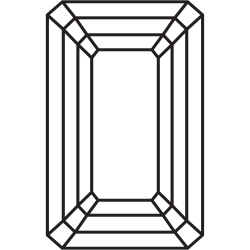
Step-cut diamonds like Emerald and Asscher cuts act like open mirrors with clear rectangular windows. While VS1 is often sufficient, VVS2 provides guaranteed perfection for step cuts over 2.0 carats.
03 / VALUE RATIO
Lab Grown VVS Value
With lab grown diamonds, the price differential between VVS1 and VVS2 is modest. Choosing VVS2 allows you to reallocate savings toward higher Carat weight or Excellent Cut quality.
04 / GRADING INTEGRITY
Certification Standards
Always verify VVS clarity through premier labs like IGI or GIA. VVS inclusions are strictly plotted on official diamond grading certificates for complete transparency.
VVS Price Savings Estimator
Adjust carat weight to estimate average price difference between VVS1 and VVS2
Selected Carat Weight:
1.50 Carat
Est. VVS1 Price
$1,650
Est. VVS2 Price
$1,450
Estimated VVS2 Savings
$200 (12% Savings)
Calculate & Compare Diamond Prices
Use our Diamond Price Calculator to estimate exact lab grown diamond prices by carat, color, VVS clarity grade, and cut specification.
Open Diamond Price Calculator →Frequently Asked Questions
Expert answers to common VVS clarity questions
Is VVS1 noticeably clearer than VVS2 to the naked eye?
No. To the naked eye, both VVS1 and VVS2 diamonds appear completely flawless. The tiny inclusions in both grades can only be identified by trained gemologists using 10x magnification.
Can you see VVS2 inclusions with a standard magnifying glass?
Generally no. Standard consumer magnifying glasses usually offer 2x to 3x magnification. VVS2 inclusions require a specialized 10x gemological loupe and professional lighting to locate.
Why do step-cut diamonds (Emerald & Asscher) benefit from VVS clarity?
Step cuts feature wide, open table facets that lack the light-scattering sparkle of round brilliant cuts. Because of this clarity transparency, higher grades like VVS1 and VVS2 ensure no micro-imperfections are highlighted.
Is VVS1 or VVS2 better value for a lab grown diamond?
VVS2 offers the ideal balance of supreme visual purity and price efficiency. Since lab grown diamonds offer exceptional clarity at accessible price points, VVS2 lets you secure visual perfection without paying an unnecessary rarity premium.