

Lab Grown Diamond vs Natural Diamond: Complete Comparison Guide

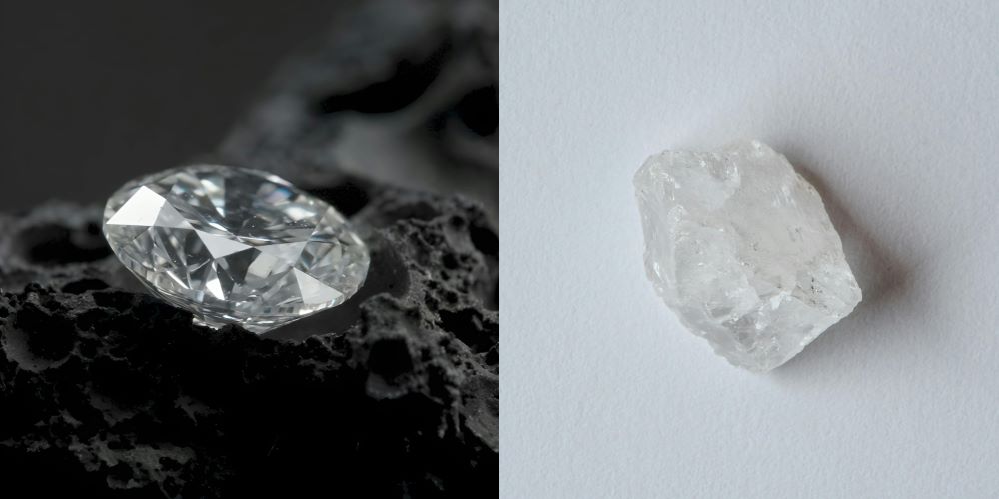
Choosing between a lab grown diamond and a natural diamond is one of the most important decisions when purchasing a diamond. Both options are real diamonds with the same physical, chemical, and optical properties, but they differ significantly in origin, price, rarity, environmental impact, and long-term value.
With advances in diamond-growing technology, lab grown diamonds have become increasingly popular among modern buyers. They provide the same brilliance and durability as natural diamonds while offering a more affordable and transparent alternative.
However, choosing the right diamond depends on your personal priorities. Some buyers value affordability and sustainability, while others prefer the rarity and tradition associated with naturally formed diamonds.
This complete guide explains the key differences between lab grown diamonds and natural diamonds to help you make a confident purchasing decision.
What Is a Lab Grown Diamond?
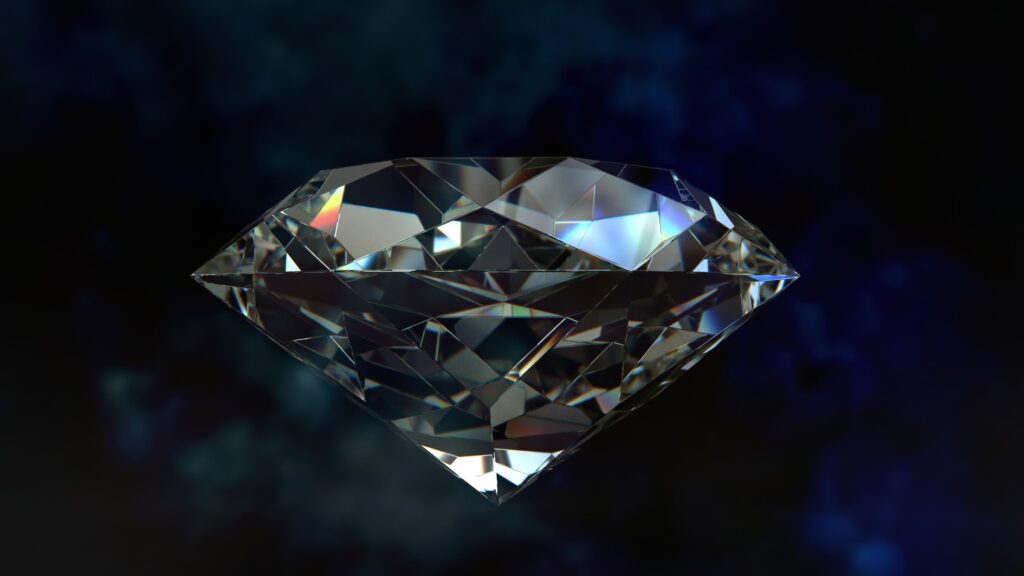
A lab grown diamond is a real diamond created in a controlled laboratory environment using advanced technology that replicates the natural diamond formation process.
The two main methods used to create lab grown diamonds are:
- Chemical Vapor Deposition (CVD)
- High Pressure High Temperature (HPHT)
Both methods create diamonds with the same crystal structure as natural diamonds. Since they are made from pure carbon arranged in the same atomic structure, lab grown diamonds have identical:
- Hardness
- Brilliance
- Fire
- Durability
- Chemical composition
Unlike diamond simulants such as cubic zirconia or moissanite, lab grown diamonds are genuine diamonds and can be graded by professional gemological laboratories such as GIA and IGI.
Because they are created in a lab rather than mined from the earth, lab grown diamonds are often more affordable and considered a more sustainable option. Learn more about their characteristics and benefits in our Real Facts About Lab Grown Diamonds guide.
What Is a Natural Diamond?

A natural diamond is a gemstone formed deep beneath the Earth’s surface over billions of years under extreme heat and pressure.
Natural diamonds are created through geological processes and are brought closer to the Earth’s surface through volcanic activity. After extraction, they are cut, polished, and transformed into jewelry.
Because every natural diamond forms under unique geological conditions, each stone has its own characteristics and history.
Understanding diamond formation and quality factors is important before choosing a diamond. Explore our Diamond Education Guide to learn more.
For many buyers, natural diamonds represent:
- Rarity
- Tradition
- Natural beauty
- Symbolic meaning
- Long-established luxury
This emotional connection is one of the main reasons many consumers continue to choose natural diamonds.
Lab Grown Diamond vs Natural Diamond: Key Differences
| Feature | Lab Grown Diamond | Natural Diamond |
|---|---|---|
| Origin | Created in a laboratory | Formed naturally underground |
| Formation Time | Weeks | Billions of years |
| Chemical Structure | Same as natural diamonds | Same as lab diamonds |
| Appearance | Identical brilliance and sparkle | Identical brilliance and sparkle |
| Price | Usually 30%-70% lower | Higher due to rarity |
| Certification | GIA, IGI, and other labs | GIA, IGI, and other labs |
| Environmental Impact | No traditional mining required | Requires mining |
| Resale Value | Generally lower | Historically stronger |
Price Difference Between Lab Grown and Natural Diamonds
One of the biggest differences between lab grown diamonds and natural diamonds is price.
Lab grown diamonds typically cost significantly less than natural diamonds with similar characteristics. Depending on the diamond’s size, quality, and market conditions, the price difference can range from approximately 30% to 70%.
This allows buyers to choose:
- A larger carat size
- Higher clarity
- Better color grade
- Premium cuts
within the same budget.
For example, a buyer with a fixed budget may be able to purchase a larger lab grown diamond compared with a natural diamond of similar quality.
This price advantage is one of the main reasons lab grown diamonds have become increasingly popular for engagement rings and fine jewelry.
To compare diamond prices based on carat, color, clarity, and cut, use our Diamond Price Calculator.
Appearance Difference Between Lab Grown and Natural Diamonds
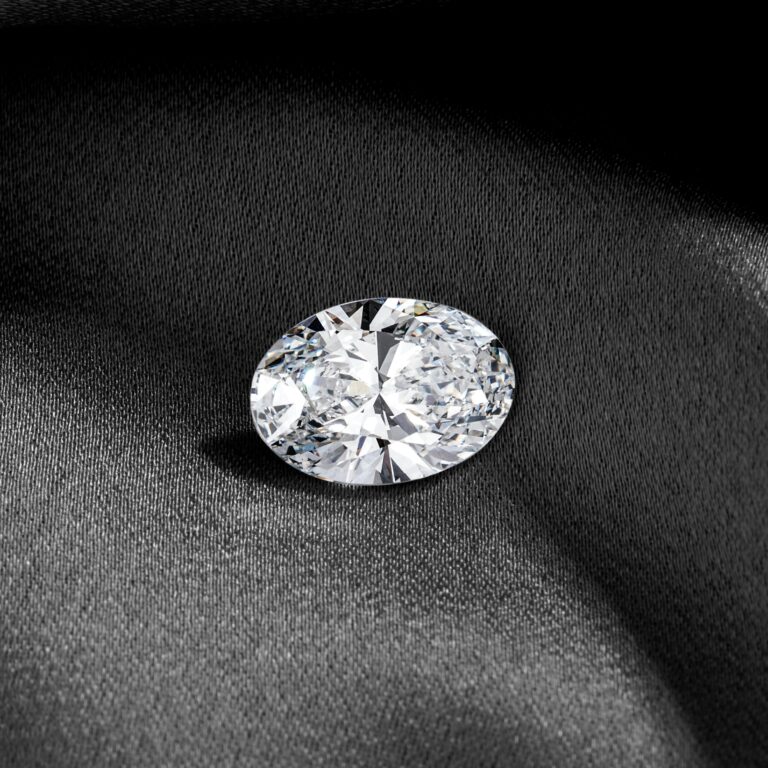
When it comes to appearance, there is no visible difference between lab grown diamonds and natural diamonds.
Both types of diamonds have the same crystal structure and optical properties, meaning they produce the same:
- Brilliance
- Fire
- Sparkle
- Light reflection
A well-cut lab grown diamond can look exactly the same as a natural diamond when viewed with the naked eye.
Diamond beauty is also influenced by the 4Cs, including diamond cut, color, clarity, and carat.
A diamond with an excellent cut grade will typically appear brighter and more beautiful, regardless of whether it was created in a laboratory or formed naturally.
Only specialized gemological equipment can identify the subtle differences between lab grown and natural diamonds, such as growth patterns or trace elements.
For buyers who mainly care about beauty and visual appearance, both options provide the same diamond experience.
Certification Difference Between Lab Grown and Natural Diamonds
Both lab grown diamonds and natural diamonds can receive professional grading reports from recognized gemological laboratories.
Learn how diamond grading reports work in our Diamond Certification Guide.
Organizations such as:
- Gemological Institute of America (GIA)
- International Gemological Institute (IGI)
- Gem Certification and Assurance Lab (GCAL)
evaluate diamonds based on the same important quality factors:
A diamond certification report provides important information about:
- Diamond measurements
- Quality grades
- Treatment information
- Identification characteristics
When purchasing a diamond, always choose a certified stone to ensure transparency and confidence.
A certified lab grown diamond provides buyers with the same level of quality documentation as a certified natural diamond.
Resale Value: Lab Grown Diamond vs Natural Diamond
Resale value is another major difference between lab grown and natural diamonds.
Natural diamonds have historically maintained stronger resale value because of their rarity, limited supply, and long-established position in the luxury market.
Lab grown diamonds generally have lower resale value because they can be produced continuously as technology improves and manufacturing capacity increases.
However, resale value is only one factor to consider when purchasing a diamond.
For buyers focused on getting the best diamond value within their budget, our Diamond Price Calculator can help estimate current market pricing.
Many buyers choose lab grown diamonds because they prioritize:
- Larger diamond size
- Higher quality
- Lower upfront cost
- Ethical sourcing
For most consumers purchasing an engagement ring or personal jewelry piece, the emotional value and enjoyment of the diamond are often more important than future resale value.
Environmental Impact of Lab Grown and Natural Diamonds

Environmental considerations have become increasingly important for modern diamond buyers.
Traditional diamond mining requires large-scale excavation, heavy equipment, and significant natural resources. Mining operations may impact surrounding ecosystems and landscapes.
Lab grown diamonds do not require traditional mining because they are created in controlled laboratory environments.
Many consumers choose lab grown diamonds because of their ethical sourcing advantages. Learn more in our guide: Why Are Lab-Created Diamonds Called Blood-Free Diamonds?
Their advantages include:
- No direct diamond mining
- Reduced land disturbance
- Greater production transparency
- Controlled manufacturing processes
However, lab grown diamond production still requires energy, especially during the CVD and HPHT growth processes. The overall environmental impact depends on the energy sources and production methods used.
As technology continues to improve, many manufacturers are working toward more energy-efficient and sustainable diamond production.
Environmental Impact of Lab Grown and Natural Diamonds
Environmental considerations have become increasingly important for modern diamond buyers.
Traditional diamond mining requires large-scale excavation, heavy equipment, and significant natural resources. Mining operations may impact surrounding ecosystems and landscapes.
Lab grown diamonds do not require traditional mining because they are created in controlled laboratory environments.
Their advantages include:
- No direct diamond mining
- Reduced land disturbance
- Greater production transparency
- Controlled manufacturing processes
However, lab grown diamond production still requires energy, especially during the CVD and HPHT growth processes. The overall environmental impact depends on the energy sources and production methods used.
As technology continues to improve, many manufacturers are working toward more energy-efficient and sustainable diamond production.
Pros and Cons of Lab Grown Diamonds
Advantages of Lab Grown Diamonds
✔ More affordable compared with natural diamonds of similar quality
✔ Allows buyers to choose larger or higher-quality diamonds within their budget
✔ Same physical and optical properties as natural diamonds
✔ Available in a wide range of cuts, colors, and sizes
✔ Considered a more ethical option because they avoid traditional mining concerns
✔ Suitable for engagement rings and all types of fine jewelry
Disadvantages of Lab Grown Diamonds
❌ Lower resale value compared with natural diamonds
❌ Less rarity because they can be produced using technology
❌ Some buyers prefer the natural origin and history of mined diamonds
Pros and Cons of Natural Diamonds
Advantages of Natural Diamonds
✔ Naturally formed over billions of years
✔ Limited supply and geological rarity
✔ Strong historical connection with luxury jewelry
✔ Often preferred by buyers who value tradition and rarity
✔ Generally stronger resale market compared with lab grown diamonds
Disadvantages of Natural Diamonds
❌ Higher price compared with lab grown diamonds
❌ Mining can create environmental challenges
❌ Ethical concerns may exist depending on sourcing practices
Which Diamond Should You Choose?
The choice between a lab grown diamond and a natural diamond depends on your personal preferences, budget, and priorities.
Choose a Lab Grown Diamond If You Want:
- Better value for your budget
- A larger or higher-quality diamond
- Ethical and transparent sourcing
- A modern alternative to traditional diamonds
- Excellent beauty without paying a premium for rarity
Lab grown diamonds are especially popular among buyers purchasing engagement rings because they allow more flexibility in choosing size and quality.
Explore our collection of Lab Diamond Engagement Rings designed with certified lab grown diamonds.
Choose a Natural Diamond If You Prefer:
- A naturally formed gemstone
- Rarity and geological history
- Traditional luxury appeal
- Potentially stronger resale value
For some buyers, the story of a diamond being formed naturally over billions of years creates a unique emotional connection.
Lab Grown Diamond vs Natural Diamond: Final Recommendation
There is no universally “better” choice between lab grown diamonds and natural diamonds.
Both are real diamonds with exceptional beauty and durability. The right choice depends on what matters most to you.
If affordability, sustainability, and value are your priorities, a lab grown diamond can be an excellent choice.
If rarity, tradition, and natural origin are more important, a natural diamond may better match your preferences.
Understanding the differences allows you to choose a diamond that fits your lifestyle, values, and budget.
Explore our collection of certified Lab Grown Diamonds and find the perfect diamond for your jewelry.
Frequently Asked Questions
Are lab grown diamonds real diamonds?
Are lab grown diamonds cheaper than natural diamonds?
Can you tell the difference between lab grown and natural diamonds?
No. The two diamonds look identical to the naked eye. Specialized gemological equipment is required to identify their origin.
Do lab grown diamonds have the same quality as natural diamonds?
Yes. Lab grown diamonds can achieve the same quality standards based on the 4Cs: cut, color, clarity, and carat weight.
Are lab grown diamonds a good choice for engagement rings?
Yes. Their durability, brilliance, and affordability make them a popular choice for modern engagement rings.
Do lab grown diamonds lose value?
Lab grown diamonds generally have lower resale value compared with natural diamonds because they are not as rare and production technology continues to advance.
Are lab grown diamonds environmentally friendly?
Lab grown diamonds avoid traditional mining, which reduces many environmental concerns. However, their overall environmental impact depends on production methods and energy sources.
Explore Certified Lab Grown Diamonds
At 4C Grown Diamond, we offer high-quality lab grown diamonds with transparent grading, excellent value, and a wide range of sizes, colors, and clarity options.
Whether you are searching for a loose diamond, engagement ring, or custom jewelry piece, find a diamond that matches your style, budget, and expectations.
Start your diamond journey with confidence and discover the beauty of certified lab grown diamonds.