

Unique Shape Lab Grown Diamonds: Exploring Specialty Cut Loose Diamonds

Round diamonds remain one of the most recognizable diamond shapes, but they are far from the only option.
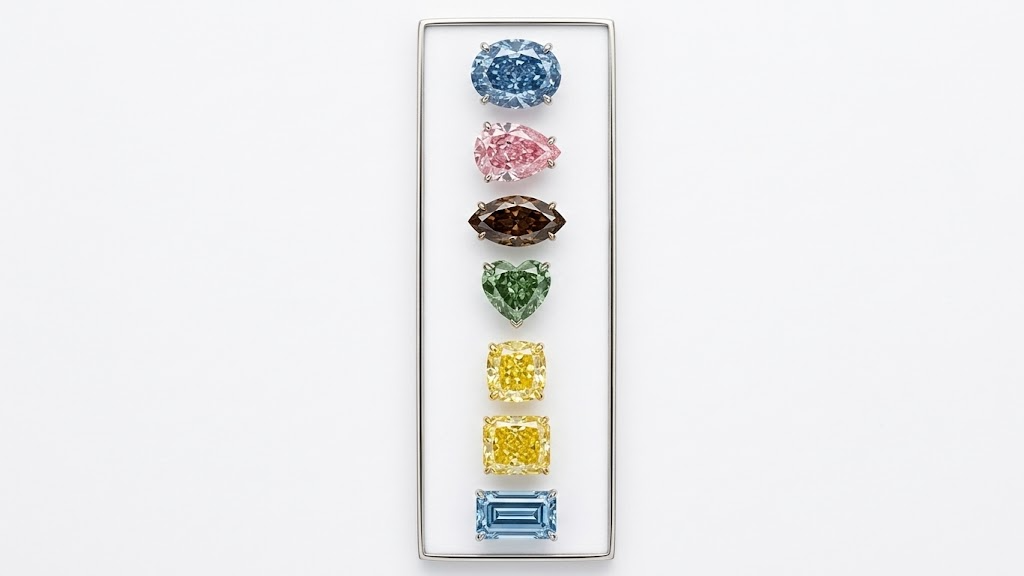
Today, jewelry designers and buyers can choose from a wide range of unique shape lab grown diamonds, including classic fancy shapes, unusual silhouettes and specialty cuts created for distinctive jewelry designs.
For those looking for a loose diamond with more character, shape can become just as important as carat weight or traditional 4C considerations.
What Makes a Diamond Shape Unique?
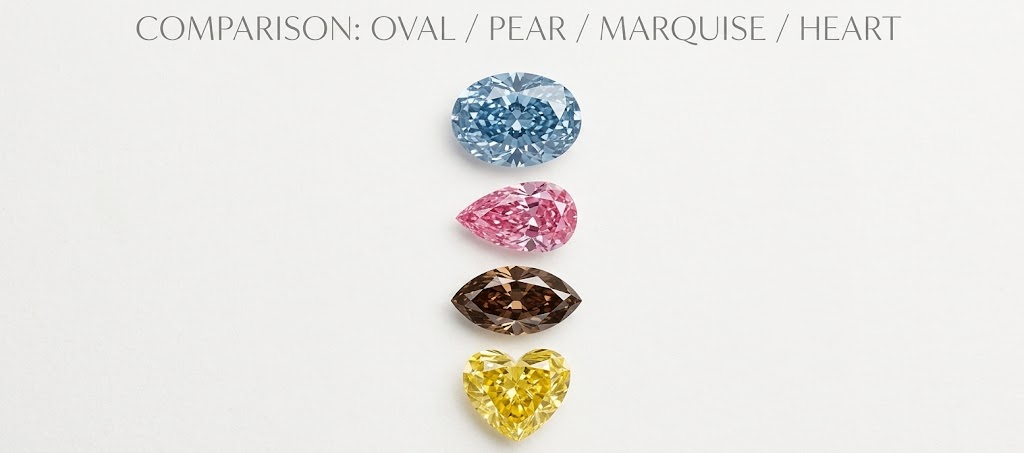
Diamond shape describes the overall outline or silhouette of a diamond.
Cut is different.
Shape refers to the external outline, while cut describes the arrangement, proportions and craftsmanship of the facets.
Round brilliant diamonds have a standardized cut grading system, while many other shapes are classified as fancy shapes.
Fancy shapes include designs such as:
- Oval
- Pear
- Marquise
- Heart
- Emerald
- Cushion
- Radiant
- Asscher
- Triangle
Beyond these established shapes, specialty diamond cutting can create unusual silhouettes and distinctive facet patterns that are less commonly seen in mainstream jewelry.
Why Choose a Specialty Cut Loose Diamond?
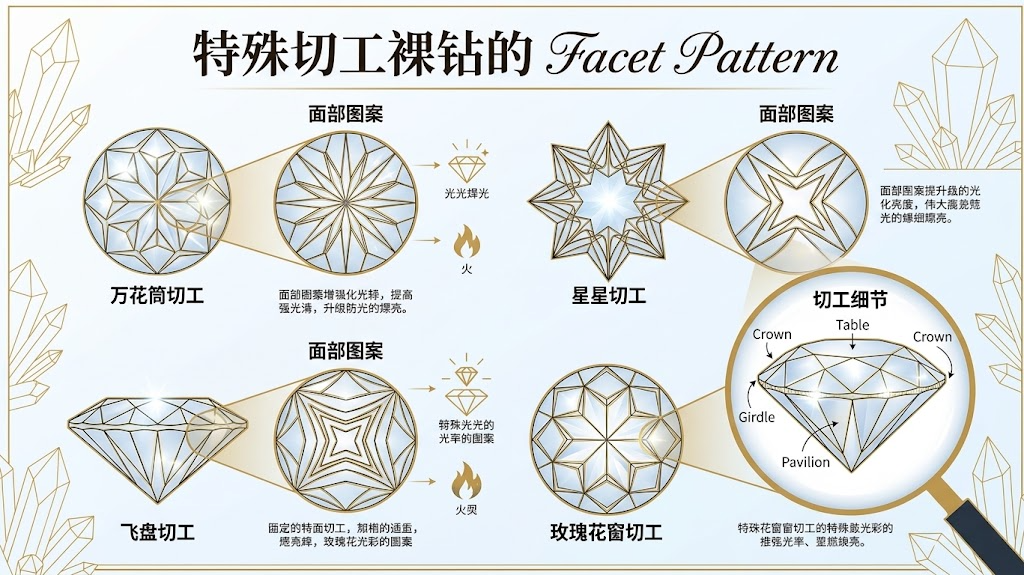
A specialty cut diamond can give a jewelry design a more individual identity.
Instead of beginning with a standard round diamond and designing the setting around it, designers can start with the diamond itself.
This approach can be particularly useful for:
- Custom engagement rings
- Statement jewelry
- Designer collections
- One-of-a-kind pieces
- Fashion jewelry
- Artistic jewelry projects
A distinctive loose diamond can become the starting point for the entire design.
Popular Fancy Shapes
Oval Diamonds
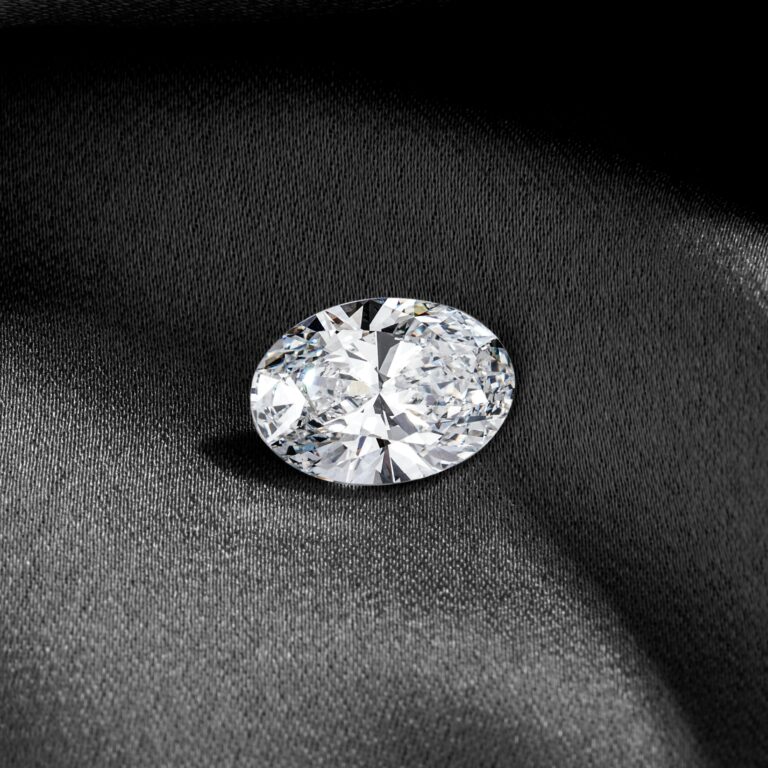
Oval diamonds combine an elongated silhouette with a brilliant-style appearance.
Their length-to-width ratio can significantly affect the overall look, so comparing proportions is important when choosing an oval loose diamond.
Pear Diamonds
Pear-shaped diamonds combine a rounded end with a pointed tip.
Symmetry is particularly important because the two sides should create a balanced outline.
Marquise Diamonds
Marquise diamonds have a long, narrow silhouette with pointed ends.
Their proportions can create a strong elongated appearance and can also influence how large the diamond appears face up.
Heart-Shaped Diamonds
Heart diamonds are instantly recognizable because of their romantic silhouette.
A well-defined cleft and balanced outline are important characteristics when evaluating a heart-shaped stone.
Emerald Cut Diamonds
Emerald cuts are known for their elongated rectangular outline and step-cut faceting.
Instead of emphasizing the same type of sparkle associated with brilliant cuts, step facets create broader reflections and a more structured visual appearance.
Specialty Cuts Go Beyond Standard Shapes
Specialty cuts are not limited to simply changing the outline of a diamond.
A cutter can also change the facet arrangement and visual pattern within the stone.
This creates opportunities for:
- Unusual facet patterns
- Vintage-inspired appearances
- Decorative geometric designs
- Flower-like silhouettes
- Abstract shapes
- Custom proportions
- Designer-specific cuts
For buyers looking for something outside mainstream diamond collections, these characteristics can be more important than following a conventional shape chart.
How Proportions Affect Unique Shape Diamonds
Proportion is especially important for fancy shapes.
Two diamonds with the same nominal shape can look completely different because their length, width and depth are different.
When comparing a unique shape loose diamond, look at the actual measurements rather than relying only on carat weight.
Length-to-Width Ratio
The ratio determines whether a stone looks short and wide, balanced or elongated.
Symmetry
A symmetrical outline generally creates a cleaner and more intentional appearance.
Depth
Depth affects both the overall proportions and how the diamond presents from the top.
Facet Pattern
The arrangement of facets influences how light interacts with the diamond and can completely change its visual character.
Girdle
Girdle thickness should also be considered because very thin areas can be more vulnerable to damage.
Unique Shape vs. Unique Cut
These terms are sometimes used interchangeably, but they describe different things.
A unique shape usually refers to the silhouette of the diamond.
A unique cut can refer to the way the diamond has been faceted or proportioned.
A diamond can therefore have:
A familiar shape + an unusual facet design
or:
An unusual shape + a custom facet arrangement
This distinction is useful when searching for specialty loose diamonds.
Fancy Color and Specialty Cuts
Color and shape can also work together.
A fancy color lab grown diamond with a specialty shape can create a very different visual result from a traditional colorless round diamond.
For example, an elongated colored diamond can emphasize both its hue and silhouette, while a geometric specialty cut can create a more contemporary appearance.
For designers, combining:
Color + Shape + Faceting + Carat
creates significantly more possibilities than choosing a diamond based only on traditional 4C specifications.
What to Look for When Buying a Specialty Cut
Before choosing a unique shape lab grown diamond, consider:
1. The intended jewelry design
A narrow marquise may work differently in a ring than a wide cushion or geometric custom cut.
2. The diamond’s proportions
Look at the actual measurements rather than relying only on carat weight.
3. Symmetry
Pay particular attention to pointed and curved shapes.
4. Facet pattern
Different facet arrangements can produce very different reflections and visual patterns.
5. Certification
When available, review the diamond’s grading documentation and verify the laboratory-grown identification and relevant quality characteristics.
Why Loose Diamonds Are Ideal for Specialty Jewelry
A loose diamond gives designers the freedom to build the setting around the stone.
This is particularly valuable for unusual shapes because a standard setting may not fully showcase the proportions or silhouette.
Starting with the loose diamond allows the designer to consider:
- Setting orientation
- Metal color
- Prong placement
- Halo design
- Side stones
- Custom mounting
- Overall proportions
The diamond becomes part of the design process rather than simply an interchangeable center stone.
Discover Diamonds Beyond Traditional Shapes
Unique shape lab grown diamonds provide another way to approach diamond jewelry.
From classic fancy shapes to highly individual specialty cuts, these stones offer designers and buyers more freedom to create jewelry with a distinctive visual identity.
At 4C Grown Diamond, explore specialty cut and unusual shape lab grown loose diamonds selected for their proportions, faceting, color and visual character.
Use the Lab Grown Diamond Price Calculator to compare diamond prices based on carat, color, clarity, cut and certification.