


LGBTQ Symbols Explained: Meanings, Flags & Pride Icons (2026 Guide)

LGBTQ Symbols Explained
LGBTQ symbols are powerful representations of identity, pride, and community. From the iconic rainbow flag to modern pride icons, these symbols help express belonging and promote visibility.
In this guide, we’ll break down the most important LGBTQ symbols and what they truly mean.
If you’re new to this topic, you can start by reading our complete guide on what LGBTQ means.
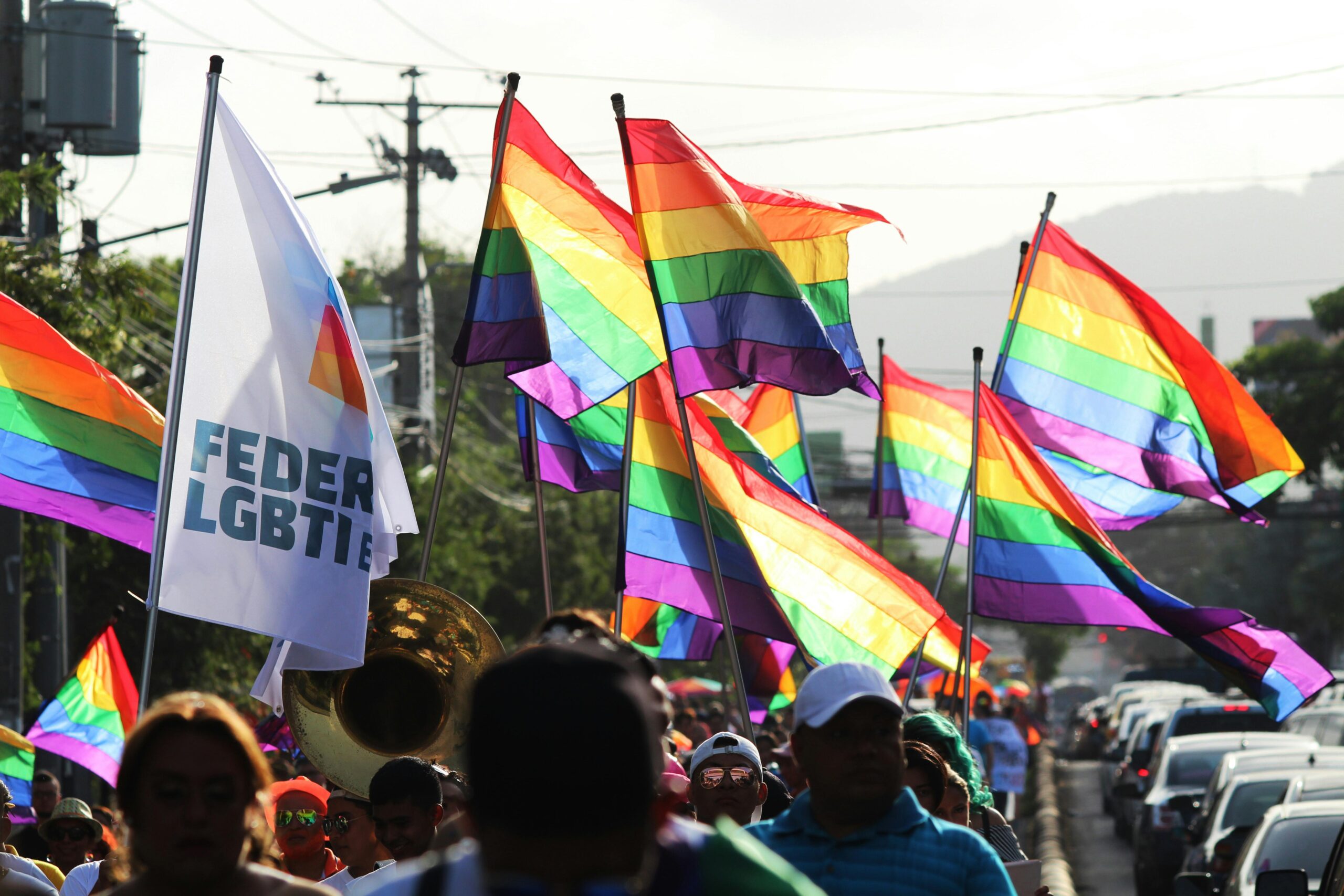
The Rainbow Flag 🌈

The rainbow flag is one of the most widely recognized symbols of the LGBTQ community, representing diversity and inclusion.
Originally designed by artist Gilbert Baker in 1978, the flag has evolved over time to become a global icon of pride and equality.
Beyond its colors, the rainbow flag represents:
– Visibility and acceptance
– Unity across different identities
– The ongoing journey toward equality
Today, variations of the flag continue to emerge, reflecting a more inclusive representation of the LGBTQ community worldwide.
The Pink Triangle
Originally used during World War II to identify gay men in Nazi camps, the pink triangle has been reclaimed as a symbol of resistance and remembrance.
Today, it represents strength, resilience, and the fight for equality.
The Lambda Symbol

The Greek letter lambda became a symbol of LGBTQ rights in the 1970s.
It represents:
- Unity
- Energy
- Social change
Lambda is often associated with activism and equality movements.
The Transgender Flag
The transgender flag features light blue, pink, and white stripes.
- Blue – Traditionally associated with boys
- Pink – Traditionally associated with girls
- White – Non-binary or transitioning identities
It represents inclusivity and gender diversity.
The Bisexual Pride Flag
The bisexual flag consists of three colors:
- Pink – Attraction to the same gender
- Blue – Attraction to a different gender
- Purple – Overlap of both
It symbolizes fluidity and inclusiveness.
Why LGBTQ Symbols Matter

LGBTQ symbols are more than visuals — they represent identity, history, and belonging.
They help:
- Create visibility
- Promote acceptance
- Build community
In modern culture, these symbols appear in fashion, art, and everyday life as a form of self-expression.
LGBTQ Symbols in Everyday Expression
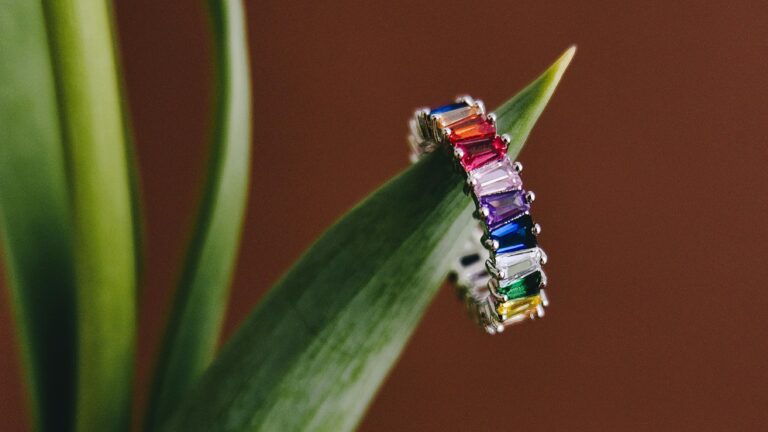
Today, many people incorporate LGBTQ symbols into their personal style — from clothing to accessories.
Minimalist designs, subtle colors, and symbolic elements allow individuals to express identity in a more personal and modern way.
If you’re interested in how these symbols are used in fashion, explore our guide here:
LGBTQ Jewelry Meaning: Symbols, Pride Colors & Gift Ideas
Many people express LGBTQ identity through jewelry and accessories.
Learn more in our guide to pride jewelry and its meaning.
Final Thoughts
Understanding LGBTQ symbols helps us better appreciate the history, identity, and diversity within the community.
As these symbols continue to evolve, they remain a powerful way to express pride, unity, and individuality.
If you’re looking to express your style, explore our collection of men’s rings and jewelry.