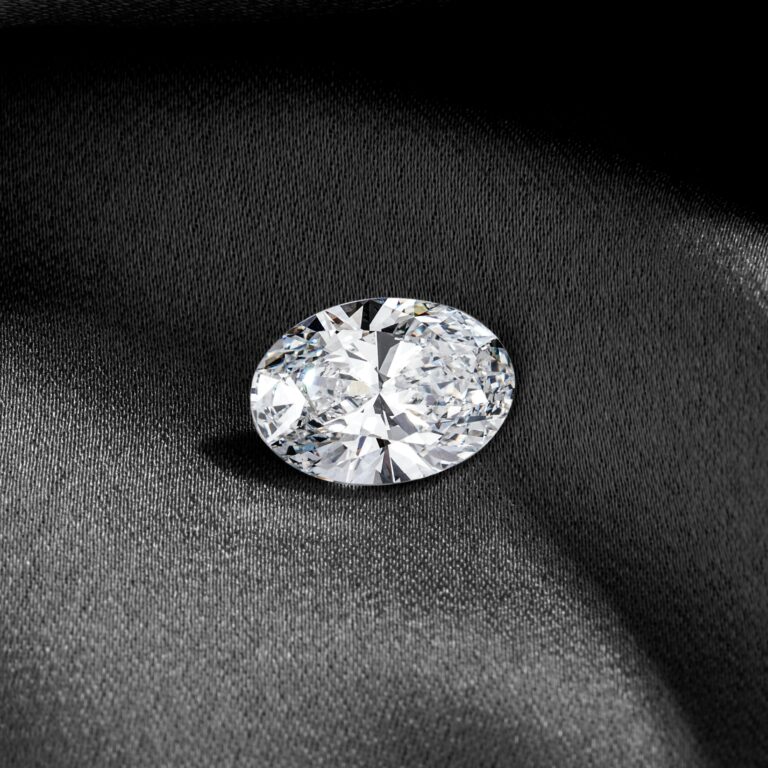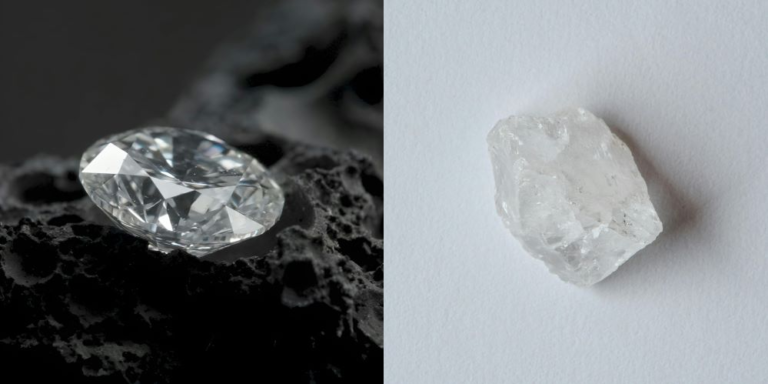


Diamond Carat Guide: How Many Carats Should an Engagement Ring Be?


Choosing the right diamond carat weight is an important part of finding an engagement ring. A diamond’s carat weight affects its price and often influences how large it looks, but bigger does not always mean better.
This diamond carat guide explains what carat weight means, how diamond carat size compares across popular engagement ring options, and how to balance size, cut, color, clarity, and budget when choosing a lab-grown diamond.
Whether you are considering a classic 1-carat diamond or a larger 2-carat or 3-carat stone, understanding carat weight can help you make a more informed decision.
What Is Diamond Carat Weight?
Diamond carat is a unit of measurement used to describe a diamond’s weight, not its physical dimensions.
One carat equals 200 milligrams, or 0.2 grams.
- 0.50 carats: Half a carat, or 100 milligrams
- 1.00 carat: One carat, or 200 milligrams
- 2.00 carats: Two carats, or 400 milligrams
- 3.00 carats: Three carats, or 600 milligrams
A higher carat weight generally means a heavier diamond. However, two diamonds with the same carat weight can look different in size because of their shape, cut proportions, and depth.
Carat weight should therefore be considered alongside the diamond’s visible dimensions and overall appearance.
Understanding the 4Cs of Diamonds
Carat is one of the four characteristics used to evaluate diamonds. Understanding all four can help you decide where to allocate your engagement ring budget.
Cut
Cut affects how effectively a diamond interacts with light. A well-cut diamond can appear brighter and more lively than a poorly cut diamond of the same carat weight.
Cut quality and proportions can also influence how much of the diamond’s weight is visible from above.
Carat
Carat measures the diamond’s weight. Larger diamonds are generally more expensive, although the relationship between weight and price depends on diamond type, quality, shape, and current market conditions.
Color
Diamond color is commonly graded on a scale from D to Z. D represents the colorless end of the scale, while lower grades generally show increasing yellow or brown tint.
The ideal color grade depends on personal preference, diamond shape, setting, and budget.
Clarity
Clarity describes the presence of inclusions inside a diamond and blemishes on its surface. The visibility of these characteristics depends on their size, number, location, and other factors.
A diamond does not necessarily need the highest clarity grade to look clean to the unaided eye.
Diamond Carat Size Chart
The following diamond carat size chart provides approximate face-up diameters for round brilliant diamonds. Actual measurements vary with cut proportions and should be confirmed against the individual diamond’s grading report or product specifications.
| Carat Weight | Approximate Diameter | General Appearance |
|---|---|---|
| 0.25 ct | 4.1 mm | Delicate and understated |
| 0.50 ct | 5.1 mm | Subtle with noticeable sparkle |
| 1.00 ct | 6.4–6.5 mm | Classic and versatile |
| 1.50 ct | 7.3–7.4 mm | More prominent on the finger |
| 2.00 ct | About 8.1 mm | Bold and eye-catching |
| 3.00 ct | About 9.3–9.4 mm | Large and distinctive |
These measurements apply to round diamonds, not every diamond shape. An oval, pear, marquise, princess, or emerald-cut diamond of the same carat weight will have different dimensions.
For a more detailed visual reference, explore our Diamond Size Chart.
How to Choose the Right Diamond Carat Size
The ideal engagement ring carat weight depends on your budget, preferred appearance, finger size, lifestyle, and setting.
1. Consider Your Budget
Carat weight can have a substantial impact on diamond price. As weight increases, prices do not necessarily rise in a straight line. Larger stones may command higher prices per carat, depending on the diamond’s quality and market conditions.
Lab-grown diamonds offer another option for shoppers who prioritize a larger center stone. Their prices vary by carat weight, cut, color, clarity, shape, certification, and retailer.
Instead of choosing carat weight first and compromising on every other characteristic, compare several combinations to find the best balance for your budget.
Use our Lab Grown Diamond Price Calculator to explore the factors that influence diamond pricing.
2. Think About Finger Size
The same diamond can look different on different hands. Finger width, ring size, and the design of the setting all influence the stone’s overall appearance.
A 1-carat diamond may look prominent on a smaller finger, while the same stone may appear more understated on a wider finger.
There is no universally correct carat weight for a particular ring size. Comparing actual diamond dimensions and trying different styles can help you decide what looks most balanced.
3. Choose a Diamond Shape
Diamond shape influences the stone’s face-up dimensions and visual presence.
Some elongated shapes can appear larger than round diamonds of the same carat weight because they spread their weight across a longer visible area.
- Oval: An elongated appearance that can create an impression of greater size.
- Pear: A tapered silhouette with a distinctive outline.
- Marquise: An elongated shape that can provide substantial finger coverage.
- Radiant: A rectangular or square outline with brilliant-style facets.
- Round: A classic shape prized for its light performance.
- Princess: A square shape with a modern appearance.
These are general observations, not fixed rules. Two diamonds of the same shape and carat weight may still have different face-up dimensions, depending on their proportions.
4. Consider the Setting Style
The ring setting can change how large the center diamond appears.
A thin band can make the center stone look more prominent. A halo setting adds a surrounding ring of smaller diamonds, increasing the overall visual footprint. A raised setting may expose more of the center stone from certain angles.
The setting should also suit your lifestyle, comfort preferences, and desired appearance. Visual size is only one part of choosing a ring that works for everyday wear.
What Is a Good Carat Weight for an Engagement Ring?
There is no single best carat weight for every engagement ring. The right choice depends on personal style, budget, and how prominent you want the center stone to look.
1-Carat Diamond
A 1-carat diamond is a versatile option for shoppers who want a classic center stone without moving into larger carat sizes.
It can work well with solitaire, pavé, halo, and other engagement ring settings. Its actual appearance will depend on the diamond’s shape and proportions.
1.5-Carat Diamond
A 1.5-carat diamond offers a visible increase in weight over a 1-carat stone. It can be a good option for buyers who want more finger coverage while balancing size with other quality characteristics.
2-Carat Diamond
A 2-carat diamond creates a more prominent center stone and can suit shoppers who prefer a bold appearance.
Because price and face-up dimensions vary by diamond, compare the actual measurements and quality characteristics rather than relying on carat weight alone.
3-Carat Diamond
A 3-carat diamond makes a strong visual statement. It can be especially appealing to shoppers who prioritize a large center stone.
At this size, it is worth paying close attention to cut proportions, the stone’s face-up measurements, setting security, and overall ring comfort.
Explore our lab-grown diamond ring options to compare different styles.
Carat Weight vs. Diamond Size
Carat weight and diamond size are related, but they are not the same thing.
Carat weight measures mass, while diamond size describes its physical dimensions. For a loose diamond, those dimensions can include length, width, and depth.
For example, a well-proportioned 1-carat oval diamond may have a larger face-up area than a 1-carat round diamond. A diamond that carries more weight in its depth may look smaller from above than another diamond of the same weight.
When comparing diamonds, consider:
- Carat weight
- Length and width measurements
- Shape and proportions
- Cut quality and light performance
- The appearance of the diamond when viewed from above
Comparing these characteristics gives you a clearer picture of the size you will actually see when wearing the ring.
How Does Carat Weight Affect Diamond Price?
Carat weight is one of the important factors that influence diamond price, but it is not the only one.
A larger diamond may cost more than a smaller diamond of comparable quality. The price difference depends on the diamond’s type, shape, cut, color, clarity, certification, seller, and prevailing market prices.
For lab-grown diamonds, prices can change considerably over time as supply, technology, inventory, and retail competition evolve. For this reason, fixed statements such as a 2-carat diamond always costing three or four times as much as a 1-carat diamond can be misleading.
When comparing prices, make sure the diamonds have reasonably similar characteristics. Compare the total price, price per carat where useful, grading information, and actual measurements.
A lab-grown diamond may allow a shopper to select a larger center stone within a given budget, but the best choice still depends on the combination of size and quality.
To compare different specifications, visit our Diamond Price Calculator.
Explore Lab-Grown Diamonds by Carat Weight
Comparing specific sizes can help you understand how carat weight affects a ring’s overall appearance and price.
Explore these options:
- 1.25-Carat Lab-Grown Diamond Rings
- 1.75-Carat Lab-Grown Diamond Rings
- 2.5-Carat Lab-Grown Diamond Rings
- 4-Carat Lab-Grown Diamond Rings
- 5-Carat Lab-Grown Diamond Rings
Product availability, specifications, and prices may vary. Review each listing for its current details before making a purchase.
Find the Right Diamond for Your Engagement Ring
The best diamond carat weight is the one that suits your budget and personal preferences while providing the appearance and quality you value most.
Compare carat weight with cut, color, clarity, shape, and actual measurements before choosing a stone. For lab-grown diamonds, comparing several specifications can help you find a balance between visual impact and price.
Ready to explore your options?
Frequently Asked Questions About Diamond Carat
Is 1 Carat Enough for an Engagement Ring?
Yes. A 1-carat diamond can be an excellent engagement ring choice. It offers a classic appearance, but whether it feels large enough depends on the diamond’s shape, dimensions, setting, finger size, and personal preference.
Is a 2-Carat Diamond Considered Large?
A 2-carat diamond is generally considered a substantial center stone. Its actual visual presence depends on its shape and proportions, so it is helpful to compare measurements as well as weight.
Does a Higher Carat Weight Mean a Better Diamond?
No. Carat measures weight, not overall quality. Cut, color, clarity, proportions, and appearance all contribute to how a diamond looks and how suitable it is for a particular buyer.
Which Diamond Shape Looks the Largest?
Elongated shapes such as oval, pear, and marquise can appear larger than round diamonds of the same carat weight because of their face-up dimensions. However, the result depends on the proportions of the individual diamond.
Are Lab-Grown Diamonds a Good Choice for Larger Carat Sizes?
Lab-grown diamonds can be a useful option for shoppers who want a larger center stone within a particular budget. Compare the actual carat weight, dimensions, grading details, cut, and price to determine which diamond offers the best fit for your needs.
What Is the Difference Between Carat Weight and Carat Size?
Carat weight is the diamond’s mass. Carat size is an informal phrase often used to describe its apparent size, but the visible dimensions depend on shape and proportions. When comparing diamonds, check the measurements in millimeters rather than relying only on the carat number.
Should I Choose a Larger Diamond or Better Cut Quality?
The right balance depends on your priorities. A well-cut diamond can deliver attractive brightness and sparkle, while a larger stone provides greater weight and potentially more finger coverage. Comparing both characteristics at similar budgets can help you decide which matters more to you.