





Diamond Windowing Explained: Causes, Effects & How to Avoid It


When evaluating a diamond’s beauty, most buyers focus on carat weight, color, and clarity. However, cut quality often has the greatest impact on a diamond’s brilliance.
One common cut issue is known as diamond windowing. A windowed diamond allows light to pass straight through the stone instead of reflecting it back to the viewer’s eye, resulting in reduced sparkle and transparency.
In this guide, we’ll explain what diamond windowing is, what causes it, how it affects value, and how to avoid purchasing a windowed diamond.

What Is Diamond Windowing?
Diamond windowing occurs when light enters the diamond and escapes through the bottom instead of reflecting back to the viewer.
As a result, part of the diamond appears transparent or “see-through,” creating what gemologists call a window.
A properly cut diamond reflects light internally, maximizing brilliance and fire. A windowed diamond loses much of this light performance.
What Causes Diamond Windowing?
The most common cause is poor cut proportions.
Factors include:
Shallow Pavilion Depth
If the pavilion is too shallow, light exits through the bottom of the stone.
Incorrect Facet Angles
Poorly aligned facets prevent proper internal reflection.
Weight Retention During Cutting
Some cutters prioritize preserving carat weight rather than optimizing light performance, increasing the risk of windowing.
How Does Windowing affect Diamonds?
Windowing effects diamond’s overall appearance and ability to refract light. Windowing makes a part of the diamond appear see-through. This transparency can reduce brightness and sparkle for any stone, thus making it unappealing.

Windowing reduces light refraction in traditional brilliant cut, diminishing the diamond’s sparkle and fire.
Diamond windowing is caused by improper proportions, such as a steep crown and shallow pavilion, failing to reflect light internally, reducing brilliance and increasing transparency. Light escapes through the bottom of a shallow pavilion, producing a window-like illusion when viewed from the top.
Large table faces increase visibility through the diamond, making windowing more visible as more light travels through rather than being refracted internally and coming back up.
Windowing helps beautify non-traditional and antique diamonds. As these cuts, with tall profiles, narrow tables, high crowns with extended facets and steep angles, might purposely generate windowing for a distinct look and different light performance.
How to Identify Diamond Windowing
Several simple tests can help identify windowing.
Newspaper Test
Place the diamond over printed text.
If you can easily read the text through the center of the diamond, windowing may be present.
Tweezers Test
Hold the diamond with tweezers and look through it against a light background.
A visible transparent center often indicates light leakage.
Multiple Lighting Test
Examine the stone under:
- Daylight
- Jewelry store lighting
- Indoor lighting
Windowing usually becomes more noticeable under natural light.
Diamond Windowing vs Extinction
These two cut issues are often confused.
| Feature | Windowing | Extinction |
|---|---|---|
| Appearance | Transparent Area | Dark Area |
| Cause | Light Escapes | Light Doesn’t Return |
| Result | See-through Effect | Black Patches |
| Common In | Emerald Cuts | Fancy Shapes |
Both reduce overall beauty but in different ways.
Is Windowing Common in Emerald Cut Diamonds?
Yes.
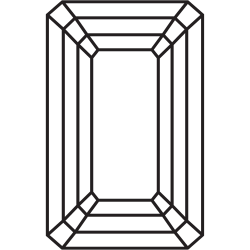
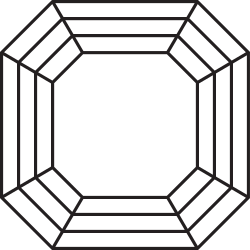
Emerald cuts and Asscher cuts use step-cut facets rather than brilliant-cut facets.
Because of their structure, minor windowing can occur naturally.
However, excessive transparency indicates poor cut quality and should be avoided.
Can Diamond Windowing Be Fixed?
Sometimes.
Recutting
A professional cutter can improve proportions and reduce windowing.
Potential drawback:
- Loss of carat weight
- Additional cost
Strategic Settings
Certain settings can reduce the visibility of windowing:
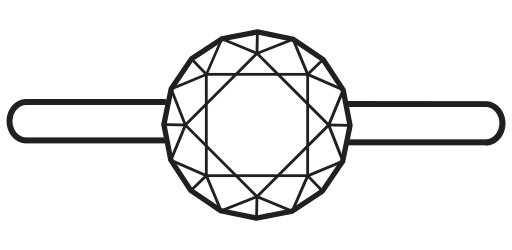
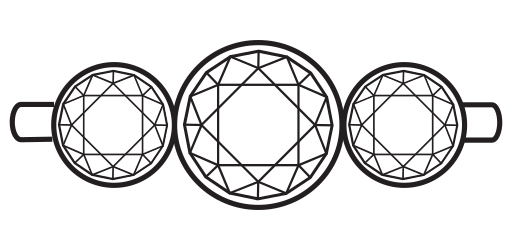
- Bezel settings
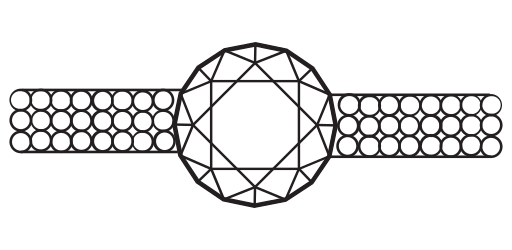
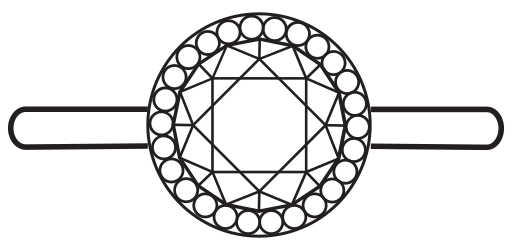
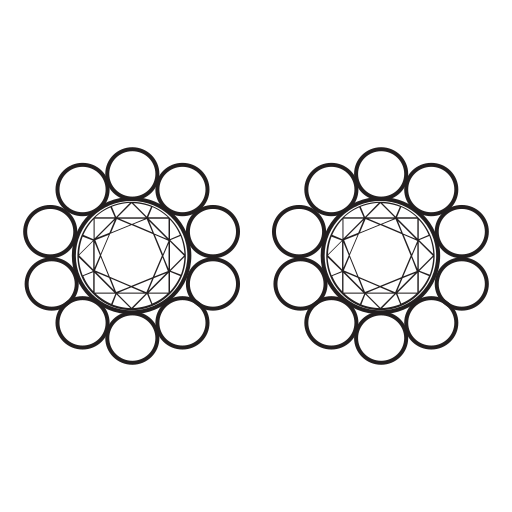
- Halo settings
- Reflective metal backings
However, settings cannot fully eliminate a poorly cut stone’s light leakage.
How to Avoid Buying a Windowed Diamond
Follow these guidelines:
Choose Excellent Cut Grades
Look for:
- GIA Excellent
- GCAL Ideal
- AGS Ideal
Review Light Performance Images
Request:
- ASET Images
- Ideal Scope Images
Examine Videos Carefully
360° videos often reveal transparency in the center.
Buy From Reputable Retailers
Trusted vendors provide detailed cut data and imaging.
Related Diamond Guides
Conclusion
Diamond windowing is a cut-related issue that occurs when light escapes through the diamond instead of reflecting back to the viewer.
While minor windowing may be acceptable in some step-cut diamonds, excessive windowing reduces brilliance, fire, and overall beauty.
By understanding cut quality, reviewing light performance, and choosing well-cut diamonds, buyers can avoid windowing and select stones that maximize sparkle and value.
FAQs
Is Diamond Windowing Bad?
Yes, diamond windowing is generally considered undesirable because it reduces a diamond’s brilliance and sparkle. Windowing occurs when light passes through the diamond instead of reflecting back to the viewer’s eye, creating a transparent or “see-through” area. While minor windowing may be acceptable in some step-cut diamonds, excessive windowing can significantly affect the stone’s beauty and overall visual performance.
Can Windowing Be Fixed?
In some cases, diamond windowing can be improved through professional recutting or repolishing. By adjusting the diamond’s proportions and facet angles, a skilled cutter may reduce light leakage and enhance brilliance. However, recutting often results in a loss of carat weight and may not be practical for every diamond. Certain settings, such as bezel or halo designs, can also help make windowing less noticeable, although they cannot completely eliminate the issue.
How Do I Know If a Diamond Has Windowing?
A simple way to identify diamond windowing is to place the stone over printed text or a patterned surface. If you can easily see the text through the center of the diamond, windowing may be present. You can also examine the diamond under different lighting conditions or view it through magnification. A windowed diamond often appears transparent in the center and lacks the brightness and light return expected from a well-cut stone.
Is Windowing Common in Emerald Cut Diamonds?
Yes, windowing is more commonly seen in emerald cut diamonds than in round brilliant diamonds. Because emerald cuts feature step-cut facets and a large open table, minor transparency can occur naturally. However, a well-cut emerald cut diamond should still display strong light return and visual appeal. Excessive windowing that creates a noticeable see-through effect is generally considered a sign of poor cut quality.
Does Windowing Reduce Diamond Value?
Yes, significant windowing can reduce a diamond’s value because it negatively affects appearance, brilliance, and overall desirability. Even if a diamond has excellent color, clarity, or carat weight, poor light performance caused by windowing can make it appear less attractive. Buyers and gemologists often consider cut quality one of the most important factors in determining a diamond’s beauty and market value, making severe windowing a potential drawback during resale or appraisal.