

Lab Grown Loose Diamonds: A Complete Guide to Choosing the Right Diamond

What Are Lab Grown Loose Diamonds?
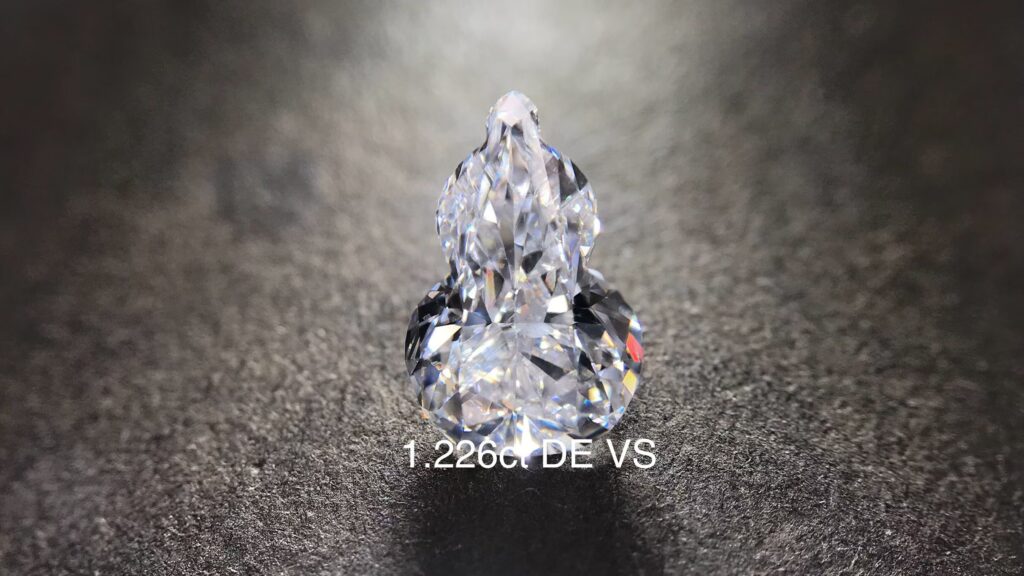
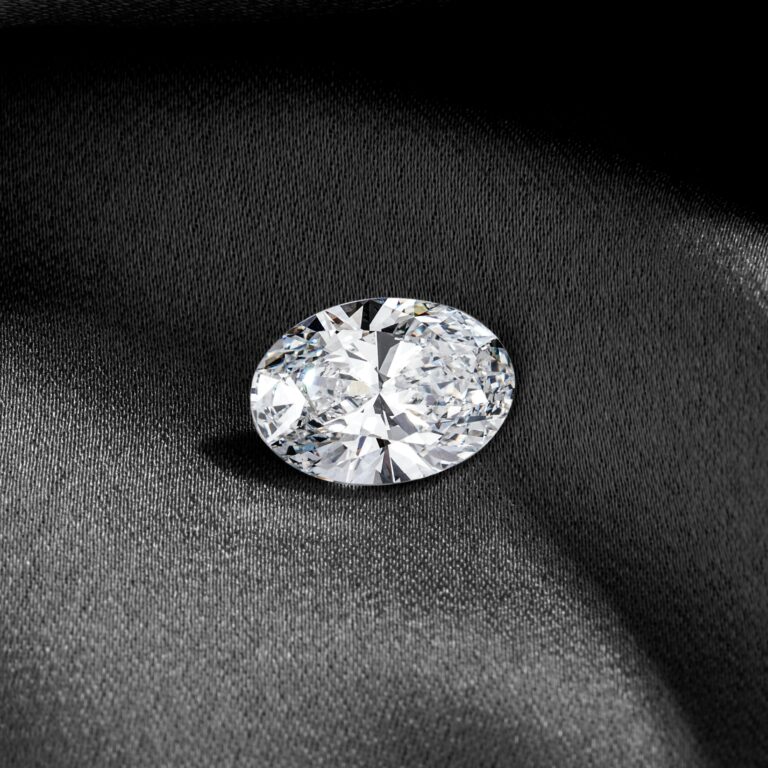
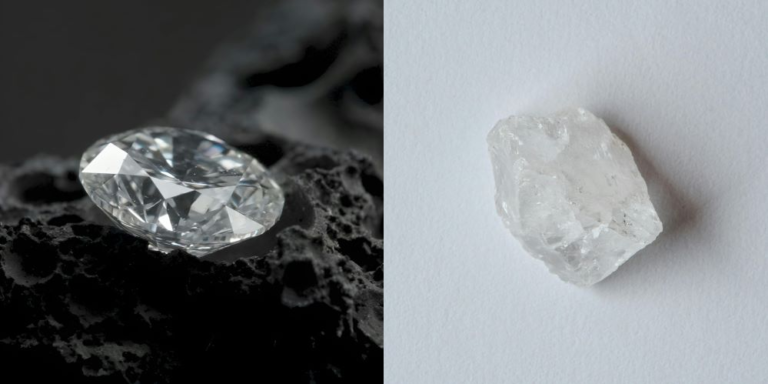
Lab grown loose diamonds are diamonds created in a controlled laboratory environment and offered as individual stones rather than already set into a ring or other piece of jewelry.
Like natural diamonds, lab grown diamonds can be evaluated using characteristics such as carat weight, color, clarity and cut. Independent gemological laboratories can also assess whether a diamond is laboratory-grown and provide a grading or quality report.
Buying a diamond loose gives buyers more flexibility. Instead of starting with a finished ring, you can first select the diamond based on its shape, color, proportions, faceting and overall appearance, then choose the setting or jewelry design separately.
For jewelry designers, retailers and private buyers, this makes loose diamonds particularly useful when creating something distinctive or outside traditional jewelry styles.
Why Choose Loose Lab Grown Diamonds?
One of the biggest advantages of buying a loose diamond is the freedom to choose the stone independently from the jewelry setting.
A loose lab grown diamond can be selected according to:
- Carat weight
- Color
- Clarity
- Cut and proportions
- Shape
- Certification
- Faceting pattern
- Visual character
This is particularly important when looking for diamonds beyond the traditional round brilliant shape.
A designer may want a long, elegant stone for a custom necklace, an unusual shape for a statement ring, or a distinctive colored diamond for a one-of-a-kind jewelry piece.
Rather than starting with a predetermined setting, the diamond becomes the starting point for the design.
How to Choose a Lab Grown Loose Diamond

The traditional 4Cs — Color, Clarity, Cut and Carat Weight — provide a useful framework for comparing diamond quality. GIA developed the 4Cs as a universal system for communicating diamond quality, while IGI also applies the 4Cs framework to laboratory-grown diamonds.
However, when selecting a loose lab grown diamond, the 4Cs are only part of the decision.
1. Carat Weight
Carat refers to the weight of a diamond, not its physical dimensions.
Two diamonds with the same carat weight can look noticeably different depending on their shape, proportions and cutting style.
This becomes especially important with unusual shapes and specialty cuts.
A 3 carat elongated diamond, for example, can have a very different visual presence from a 3 carat round diamond.
For this reason, carat weight should always be considered together with the diamond’s measurements and proportions.
2. Color
Color is particularly important when choosing distinctive lab grown loose diamonds.
For traditional colorless to near-colorless diamonds, buyers may compare grades such as D, E, F, G and H.
However, lab grown diamonds are also available in a wide range of visually distinctive colors.
Fancy Color Lab Grown Diamonds
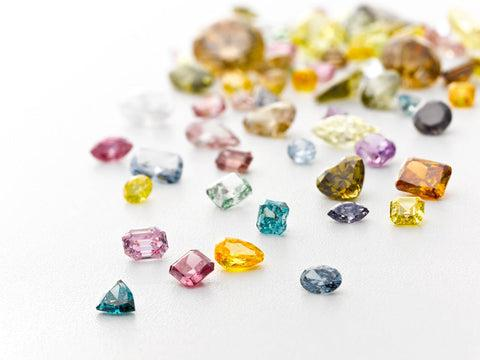
Fancy color diamonds can add a completely different character to a jewelry design.
Popular directions include:
- Pink
- Blue
- Yellow
- Brown
- Red
- Other distinctive color combinations
For buyers looking for something beyond traditional colorless diamonds, fancy color lab grown diamonds can become the central element of the design.
3. Clarity
Clarity describes the presence of internal characteristics and surface features within a diamond.
Higher clarity does not automatically mean that a diamond will look more beautiful.
The important question is how visible those characteristics are and how they affect the stone’s overall appearance.
When selecting a loose diamond, clarity should therefore be considered together with:
- Cut quality
- Size
- Shape
- Color
- Viewing conditions
For many buyers, the best choice is not necessarily the diamond with the highest clarity grade, but the diamond that provides the right balance between visual appearance and overall specifications.
4. Cut and Faceting
Cut is one of the most important factors affecting how a diamond interacts with light.
The proportions and arrangement of facets influence brightness, contrast and the way a diamond displays its visual character.
This becomes even more important when looking beyond traditional round brilliant diamonds.
Specialty Cut Diamonds
Specialty cuts can create a different visual experience through unusual facet arrangements and proportions.
Examples can include:
- Old Mine Cut
- Old European Cut
- Olive Cut
- Portuguese Cut
- Other custom or unusual faceting styles
These diamonds can be particularly interesting for jewelry designers and buyers looking for a more distinctive aesthetic.
Beyond Traditional Shapes
Not every diamond needs to follow a conventional shape.
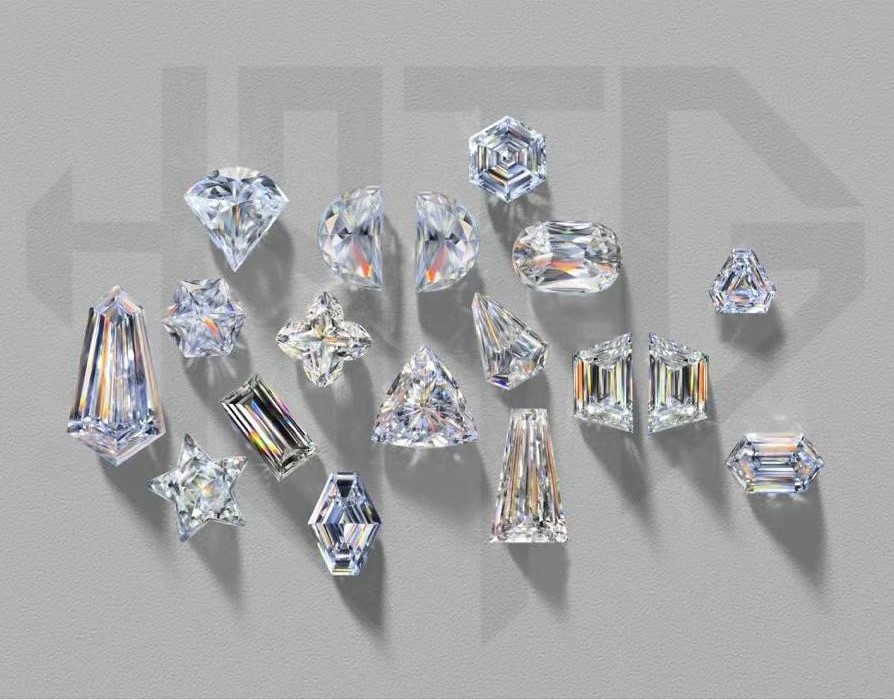
Today, loose lab grown diamonds can also be selected in distinctive shapes designed around a particular concept or jewelry design.
Unique Shape Diamonds
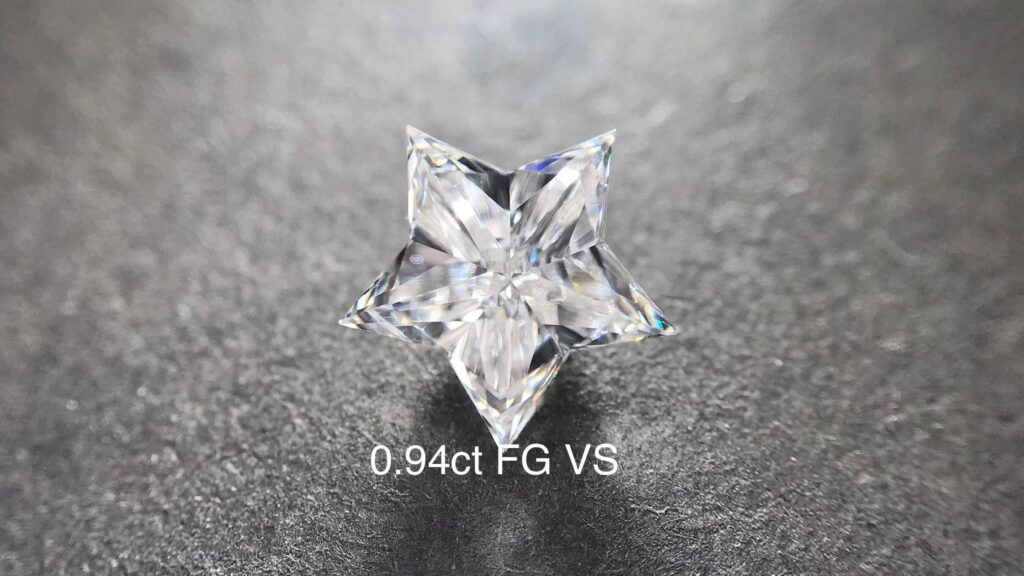
Unique shapes can include floral, geometric and symbolic forms.
Examples may include:
- Flower shapes
- Star shapes
- Cross shapes
- Clover shapes
- Heart shapes
- Custom shapes
These stones can work particularly well for statement jewelry, custom designs and collections that require a recognizable visual identity.
For designers, the shape itself can become part of the story behind the finished piece.
Exceptional Carat Sizes
Larger lab grown diamonds can create another category of interest for collectors, designers and retailers.
Instead of focusing only on traditional engagement-ring sizes, buyers may search for diamonds in:
- 3 carats and above
- 5 carats and above
- 10 carats and above
- Exceptional or unusual carat weights
With larger stones, proportions, faceting, clarity and overall visual balance become increasingly important.
A large diamond is not simply about increasing carat weight. The goal is to find a stone whose size and visual character work together.
Why Certification Matters
When buying a loose lab grown diamond, certification or independent grading information can provide important documentation about the stone.
Depending on the laboratory and report type, a laboratory-grown diamond report may include information about characteristics such as color, clarity, carat weight, growth method and post-growth treatment.
For example, GIA’s laboratory-grown diamond services provide assessments for loose laboratory-grown diamonds, including separate services for colorless-to-near-colorless and laboratory-grown colored diamonds.
IGI also states that laboratory-grown diamonds are evaluated using the 4Cs of Carat, Color, Clarity and Cut.
For buyers comparing multiple loose diamonds, a reliable report can make it easier to understand and compare the specifications of each stone.
Lab Grown Loose Diamonds vs. Traditional Loose Diamonds
The biggest difference is the origin of the diamond.
Natural diamonds form through geological processes, while laboratory-grown diamonds are created using controlled technological processes.
For buyers, the important point is to understand what they are purchasing and to review the available grading or quality documentation.
For laboratory-grown diamonds, gemological laboratories can use specialized testing to determine laboratory-grown origin and, depending on the service, identify growth methods such as CVD or HPHT.
Finding the Right Loose Lab Grown Diamond
There is no single specification that makes one diamond the right choice for everyone.
The ideal diamond depends on its intended use, design concept and personal preference.
A jewelry retailer may prioritize consistent specifications and commercial appeal.
A designer may prioritize an unusual shape, color or faceting pattern.
A private buyer may prioritize size, visual appearance and certification.
This is why loose diamonds offer so much flexibility: the stone can be selected first, and the jewelry design can follow.
Explore Lab Grown Loose Diamonds
At 4C Grown Diamond, the collection focuses on distinctive lab grown loose diamonds across a range of colors, cuts, shapes and carat sizes.
Explore:
Fancy Color Diamonds
Distinctive colors for jewelry designs that go beyond traditional colorless diamonds.
Specialty Cut Diamonds
Unusual faceting and vintage-inspired or contemporary cutting styles.
Unique Shape Diamonds
Distinctive shapes created for statement jewelry and custom designs.
Exceptional Carat Sizes
Larger diamonds selected for their size, proportions and visual character.
Whether you are a jewelry designer, retailer or private buyer, the right loose diamond begins with finding a stone whose color, proportions, faceting and visual character match your vision.