

Fancy Color Lab Grown Diamonds: A Guide to Colored Loose Diamonds

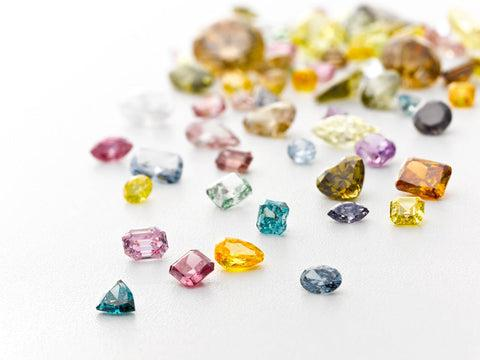
Diamonds do not have to be colorless to be remarkable. Fancy color diamonds bring a different dimension to diamond design, combining the brilliance of a diamond with distinctive hues such as yellow, pink, blue, green, orange and brown.
For jewelry designers, retailers and private buyers looking beyond traditional colorless diamonds, fancy color lab grown diamonds offer an expanding selection of colored loose diamonds in distinctive shades, shapes and carat sizes.
What Is a Fancy Color Diamond?
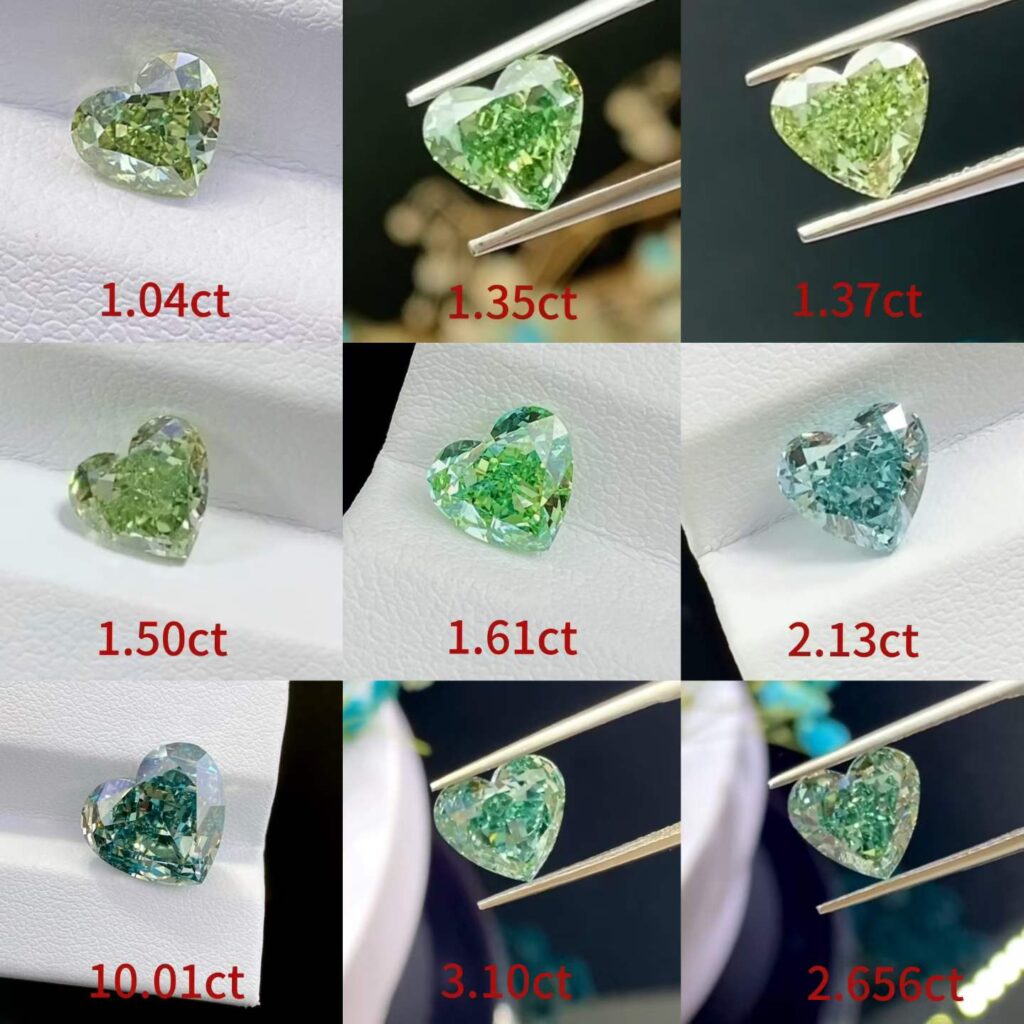
Fancy color diamonds are diamonds whose visible color falls outside the traditional D-to-Z color range.
While traditional diamond grading generally focuses on how little color a diamond has, fancy color diamonds are evaluated differently. The presence, character and intensity of color become important parts of the diamond’s identity.
GIA describes fancy color diamonds using characteristics such as hue, tone and saturation. Color grades can range from Fancy Light through Fancy, Fancy Intense and Fancy Vivid, depending on the diamond’s appearance.
For a loose diamond, this means that color can become one of the first characteristics to consider rather than simply something to minimize.
What Colors Are Available in Lab Grown Diamonds?
Lab grown diamonds can be produced in a wide variety of colors and visual appearances.
Common categories include:
- Yellow lab grown diamonds
- Pink lab grown diamonds
- Blue lab grown diamonds
- Green lab grown diamonds
- Brown lab grown diamonds
- Orange lab grown diamonds
- Black lab grown diamonds
- Other unusual or blended color appearances
The appearance of a colored diamond depends on its growth characteristics, treatments when applicable, and the way the stone is cut and polished.
Color should therefore be evaluated from the actual loose diamond rather than relying only on a product name or color description.
Why Cut Matters in Fancy Color Diamonds
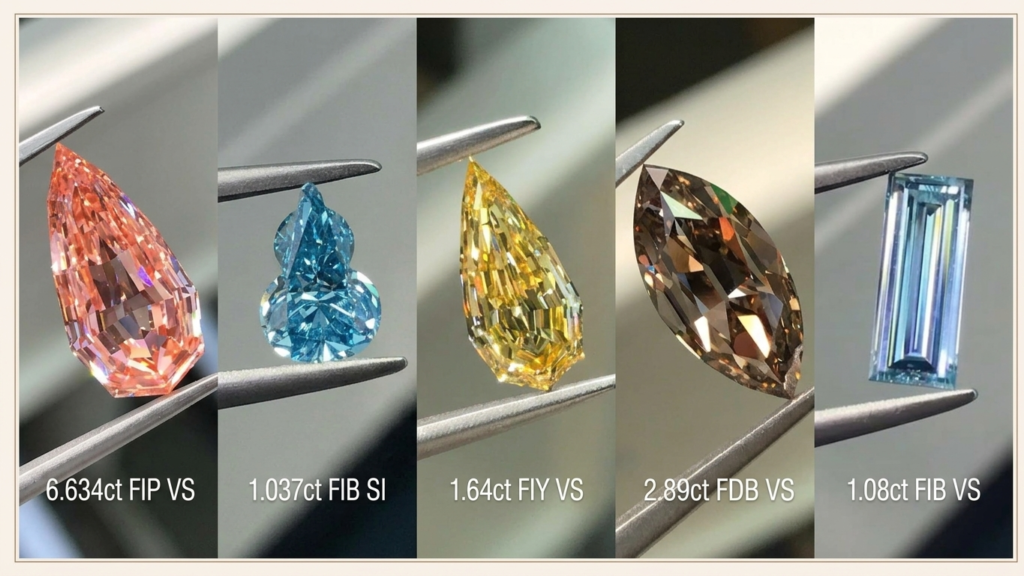
Cut is particularly important when selecting a colored diamond.
For traditional colorless diamonds, cutting is often discussed in terms of maximizing light return and brilliance. With fancy color diamonds, the cutter may also consider how the proportions and facet arrangement influence the visible color.
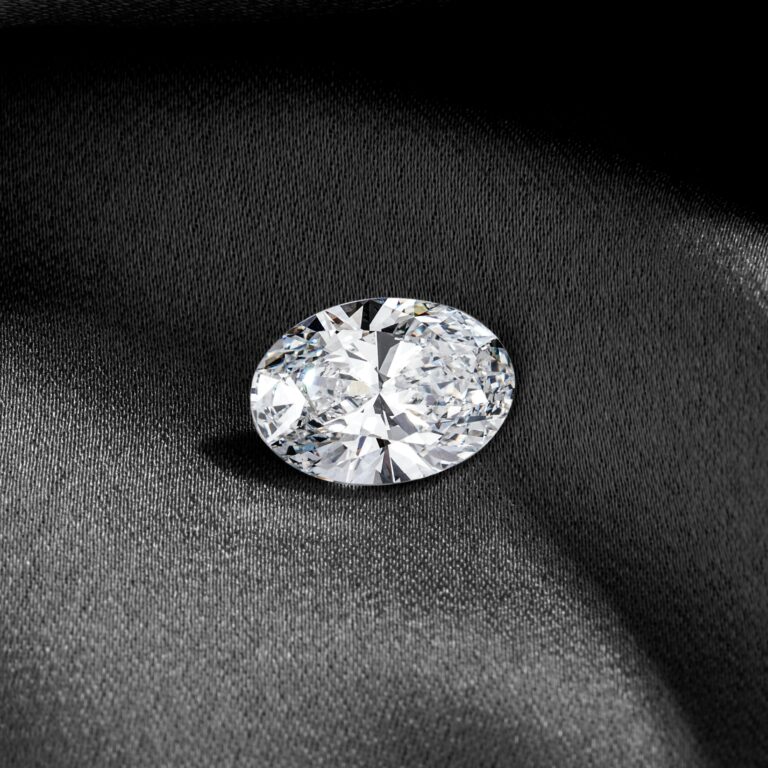
Certain fancy shapes and mixed-cut designs can help emphasize color. Radiant-style designs, for example, are commonly associated with colored diamonds because their facet patterns can contribute to a stronger face-up color appearance.
This is one reason why a colored loose diamond should be evaluated as a combination of:
Color + Shape + Faceting + Proportions + Carat Weight
rather than by carat weight alone.
Fancy Color vs. Traditional Diamond Color
Traditional diamond color and fancy color should not be treated as the same grading concept.
A D-to-Z diamond is generally evaluated according to the absence of noticeable body color. Fancy color diamonds are evaluated according to their distinctive color.
For example, a pale yellow diamond within the traditional color scale is a different category from a diamond with a stronger yellow appearance that receives a fancy color designation.
The same principle applies to colors such as pink, blue and green.
Understanding this distinction can make it easier to compare colored loose diamonds accurately.
Why Loose Fancy Color Diamonds Are Useful for Custom Jewelry
Buying a loose diamond gives designers and buyers more flexibility before selecting the final setting.
A fancy color loose diamond can be matched with different:
- Ring designs
- Pendant settings
- Earrings
- Custom jewelry
- Mixed-color diamond designs
- Accent diamonds
The diamond can also be evaluated from multiple angles before it becomes part of a finished piece.
For jewelry designers, this makes loose fancy color diamonds especially useful when the stone itself is intended to become the visual focus of the design.
How to Evaluate a Fancy Color Lab Grown Diamond
When comparing colored loose diamonds, consider more than the color name.
1. Hue
Hue describes the dominant color of the diamond.
A diamond may also show secondary hues that influence its overall appearance.
2. Tone
Tone describes how light or dark the color appears.
Two diamonds with a similar hue can look significantly different because of differences in tone.
3. Saturation
Saturation describes the strength or intensity of the color.
A stronger color can create a dramatically different visual effect from a softer pastel appearance.
4. Shape
The outline of the diamond can influence how the color is perceived.
Oval, pear, cushion, radiant, heart and other fancy shapes can create very different visual personalities.
5. Carat Weight
Carat weight remains important, but it should not be considered independently from color and proportions.
A smaller diamond with an exceptional color can be more visually distinctive than a larger stone with a less appealing color.
Fancy Color and Diamond Certification
Certification is especially useful when purchasing a distinctive colored diamond.
A grading report can provide information about characteristics such as color, clarity, carat weight, polish and symmetry. Depending on the type of report, it may also provide information about the origin of the diamond’s color.
For lab grown diamonds, buyers should also verify that the documentation clearly identifies the diamond as laboratory grown.
Choosing a Fancy Color Loose Diamond
The best starting point is to decide what role the diamond will play in the finished jewelry.
If the diamond is intended to become the center of attention, color may take priority over traditional colorless-diamond criteria.
If the diamond will be combined with other stones, consider how its color interacts with the metal, setting and surrounding diamonds.
Most importantly, compare the actual visual appearance of the stone rather than relying entirely on a color name.
Explore Colored and Specialty Lab Grown Diamonds
Fancy color diamonds provide an opportunity to move beyond conventional colorless diamond designs.
From subtle yellow and brown tones to distinctive pink, blue and green appearances, colored loose diamonds can give jewelry designers and private buyers more creative possibilities.
At 4C Grown Diamond, explore fancy color lab grown diamonds, specialty cuts and distinctive loose diamond shapes designed for jewelry projects that go beyond traditional round diamonds.